Trusted Care Backed by 60+ Years of Experience

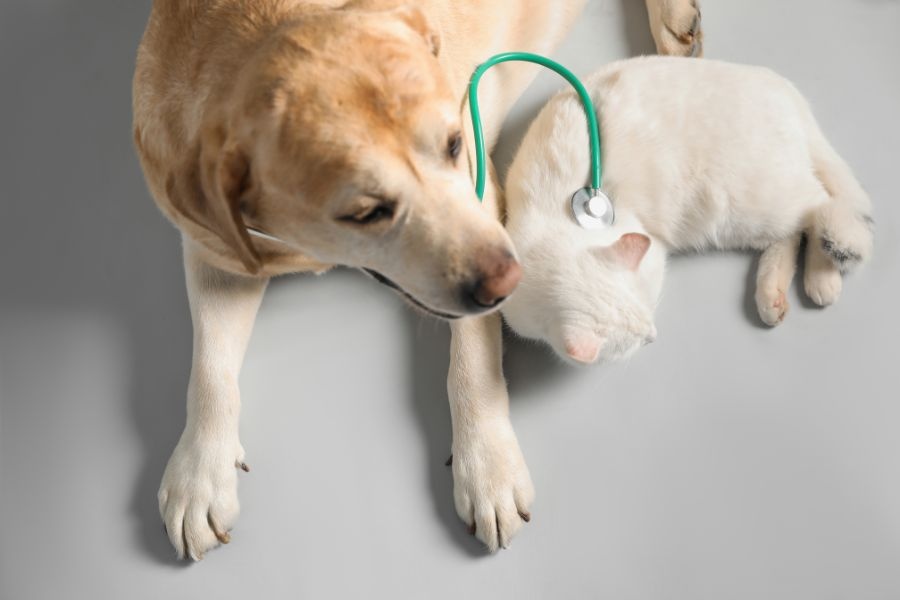
Home is where pets spend most of their time, but it can also contain hidden dangers. Curious dogs may chew on electrical cords, while adventurous cats often investigate countertops, cabinets, and houseplants. Many seemingly harmless household items can quickly lead to health concerns that require urgent pet care. Understanding these common hazards allows pet owners to create a safer environment and respond quickly if an accident occurs. For families in Shawnee, recognizing these risks is an important part of responsible pet ownership.
Everyday Items That Can Put Pets at Risk
Pets rely on their curiosity to explore the world, but that same curiosity can expose them to unexpected dangers. Even well supervised pets may find their way into areas that contain potentially harmful items.
Some of the most common household hazards include:
- Cleaning supplies
- Human medications
- Certain foods
- Electrical cords
- Small toys and household objects
- Toxic plants
- Trash containers
- Laundry products
Keeping these items secured helps reduce the likelihood of accidental injuries or illnesses.
How Urgent Pet Care Helps After Household Accidents
When a pet is exposed to something harmful, prompt veterinary evaluation helps determine the severity of the situation and the most appropriate treatment plan. Acting quickly may prevent a minor incident from becoming more complicated.
Human Medications
Prescription and over the counter medications are among the leading causes of accidental pet poisonings. Even a single tablet can cause serious problems depending on your pet’s size and the type of medication involved.
Chocolate and Other Unsafe Foods
Many common kitchen items can upset a pet’s digestive system or create more significant health concerns. Chocolate, grapes, raisins, onions, garlic, and foods containing xylitol should always be kept out of reach.
Household Chemicals
Cleaning products, detergents, and automotive fluids may cause irritation if inhaled, swallowed, or absorbed through the skin. Proper storage greatly reduces accidental exposure.
Small Objects That Can Be Swallowed
Buttons, batteries, coins, children’s toys, sewing supplies, and decorative items can become choking hazards or cause digestive blockages if swallowed.
Warning Signs That Should Never Be Ignored
Pets cannot explain what happened, so owners should watch closely for sudden changes in behavior.
Signs that deserve prompt veterinary attention include:
- Repeated vomiting
- Excessive drooling
- Difficulty walking
- Trembling
- Trouble breathing
- Loss of appetite
- Persistent coughing
- Sudden weakness
- Unusual behavior
Seeking urgent pet care when these symptoms appear allows veterinarians to begin evaluating your pet before the condition progresses.
Preventing Household Mishaps
Many accidents are preventable with a few simple precautions.
Consider these safety habits:
- Store medications in closed cabinets.
- Keep cleaning products on high shelves.
- Secure trash cans with tight fitting lids.
- Place electrical cords out of reach.
- Remove toxic houseplants from pet accessible areas.
- Keep children’s toys picked up.
- Store human snacks safely.
Taking these preventive steps can significantly reduce common household accidents.
What to Do Before Visiting the Veterinary Clinic
If your pet has been exposed to a potentially harmful substance, remain calm and gather helpful information.
Try to note:
- What your pet may have eaten or contacted
- Approximately when the incident occurred
- Any symptoms you’ve observed
- The amount involved, if known
- Current medications your pet takes
Providing these details allows the veterinary team to determine the most appropriate diagnostic and treatment plan.
Why Early Veterinary Evaluation Matters
Many household accidents appear mild during the first few minutes but may worsen over time. Prompt examination allows veterinarians to assess your pet’s condition, perform diagnostic testing when needed, and begin treatment before complications develop.
If you are from Shawnee and looking for urgent pet care, timely veterinary attention following a household accident can make a meaningful difference in your pet’s recovery and overall well being.
Taking simple safety precautions at home while acting quickly when problems occur gives your pet the greatest opportunity for a smooth recovery.
Schedule Your Online Appointment
At Shawnee Animal Hospital, we are committed to helping pets receive prompt, compassionate care when unexpected household accidents occur. Schedule your online appointment today to have your pet evaluated by our experienced veterinary team.
Call Our Team Today
Have questions about your pet’s symptoms or possible exposure to a household hazard? Call our team at 405-275-0990 to discuss your concerns or schedule an appointment.
Frequently Asked Questions
Q1. What household items most commonly cause veterinary visits for pets?
Ans: Cleaning products, medications, chocolate, grapes, xylitol containing foods, batteries, toxic plants, and small household objects are among the most common items involved in accidental pet injuries or illnesses. Proper storage significantly lowers these risks.
Q2. Should I monitor my pet at home after they swallow something unusual?
Ans: It is always wise to contact a veterinarian if you suspect your pet has swallowed a foreign object or harmful substance. Some symptoms develop gradually, and early evaluation often allows treatment to begin before complications arise.
Q3. How can I make my home safer for my pet?
Ans: Store chemicals and medications securely, keep unsafe foods out of reach, remove toxic plants, organize electrical cords, secure trash bins, and regularly inspect floors for small objects that curious pets could swallow.
Q4. What information should I provide during a veterinary visit?
Ans: Tell the veterinary team what your pet may have been exposed to, when the incident occurred, any symptoms you’ve noticed, current medications, and your pet’s medical history. This information helps guide diagnosis and treatment.
Q5. Why is prompt veterinary care recommended after household accidents?
Ans: Some injuries or toxic exposures may not cause immediate symptoms but can worsen over time. Early veterinary evaluation allows appropriate diagnostics and treatment to begin before more significant health problems develop.

Trusted Pet Care & a Friendly Welcome for Every Pet