Trusted Care Backed by 60+ Years of Experience

Wellness Exams for Pets
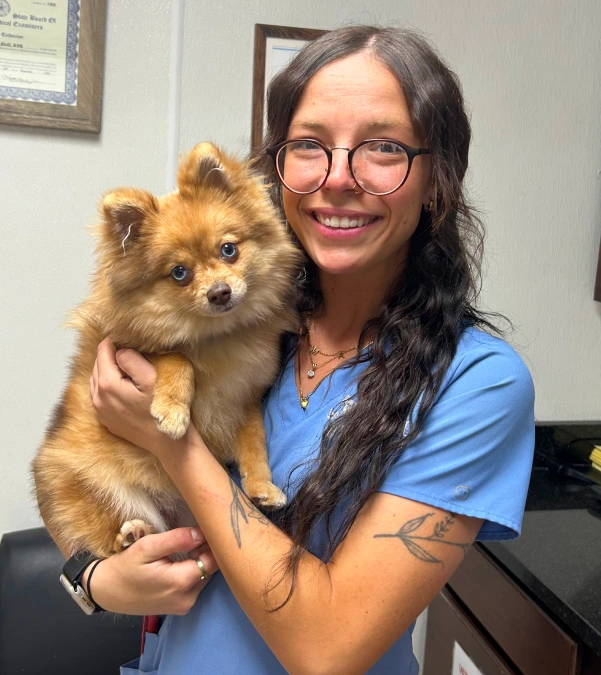
Wellness exams are an essential part of preventative care for pets. During the exam, our veterinarians will check your pet’s overall health, including weight, skin, coat, eyes, ears, nose, and mouth, listen to the heart and lungs for abnormalities, and feel the muscles, joints, lymph nodes, and abdomen for signs of concern. They will also discuss any concerns or changes in behavior that you may have noticed. These exams are crucial in catching any potential health issues early on and addressing them before they become more serious.
As part of a complete wellness examination, our veterinary team will often recommend wellness screening tests, including urinalysis, complete blood count, and thyroid hormone testing. For older pets, we recommend more comprehensive, more frequent testing, because the risk for many diseases rises with age.
We recommend that pets receive at least one wellness examination a year. If your animal companion has a health condition, is a senior, or is still growing, more frequent wellness exams may be warranted.
Vaccinations for Pets in Shawnee
Vaccinations are another crucial aspect of preventative care for pets. Just like humans, pets need vaccinations to protect them from various diseases. These vaccinations work by introducing a small amount of the virus or bacteria into the pet’s body, allowing their immune system to build up a defense against it. By vaccinating our pets, we can prevent them from getting sick and potentially save their lives.
Your pet’s vaccine protocol will include our recommended core vaccines, and perhaps some non-core vaccines based on their age, lifestyle, and risk of exposure. Our veterinary team will help you decide which vaccines are best for your pet based on our years of experience.
Core vaccines are recommended for every pet, regardless of lifestyle. Some of these vaccines, like the rabies vaccine, are even mandatory by law.

Dogs
- DHPP (Distemper, Hepatitis, Parvovirus, and Parainfluenza)
- Rabies

Cats
- FVRCP (Feline Viral Rhinotracheitis, Calicivirus, and Panleukopenia)
- Rabies
Parasites In Pets
Parasites can cause serious health issues for our pets. That’s why it’s essential to include parasite prevention as part of your pet’s preventative care routine. This can include annual fecal testing, monthly flea and tick treatments, heartworm prevention medication, and deworming (as needed). By keeping parasites at bay, you can protect your pet’s health and well-being.
Types of Parasites in Pets
- Fleas – Fleas are small, wingless insects that feed on the blood of animals. They are a common problem in pets, especially in warm and humid climates. Fleas can cause intense itching and irritation, and in severe cases, can lead to anemia and skin infections.
- Ticks – Ticks are small, blood-sucking parasites that attach themselves to the skin of animals. They can transmit diseases such as Lyme disease, Rocky Mountain spotted fever, and ehrlichiosis. Ticks are mostly found in wooded areas and can be difficult to spot on pets due to their small size.
- Ear Mites – Ear mites are tiny parasites that live in the ear canals of pets, particularly cats and dogs. They feed on wax and oils in the ear and can cause irritation, inflammation, and infection. Ear mites are highly contagious and can easily spread from one pet to another.
- Intestinal Worms – Intestinal worms, such as roundworms, hookworms, and tapeworms, are common in pets. They can be transmitted through contaminated soil, food, or water, or by ingesting infected fleas or rodents. Intestinal worms can cause weight loss, diarrhea, and anemia in pets. Some intestinal worms are zoonotic, which means they can be transferred from animals to people. If you suspect your pet has intestinal worms, make sure to clean up after them and frequently wash your hands.
- Heartworms – Heartworms live in the heart, lungs, and blood vessels of pets. They are transmitted through mosquito bites and can cause serious health problems, including heart failure and lung disease. Heartworms are more common in dogs than cats.
How to Prevent Parasites in Pets
Preventing parasites in pets is essential for their health and well-being. Here are some tips to help keep your pet parasite-free:
Regular Grooming
Regular grooming can help prevent parasites in pets. Brushing your pet’s fur can help remove any fleas or ticks that may be hiding in their coat. It also allows you to check for any signs of skin irritation or infestation.
Flea and Tick Control
Using flea and tick control products is crucial in preventing these parasites from infesting your pet. There are various options available, including topical treatments, collars, and oral medications. Consult with our veterinary team to determine the best option for your pet.
Keep Your Home Clean
Vacuuming and regularly washing your pet’s bedding can help remove any flea eggs or larvae that may be present in your home. It is also essential to keep your yard clean and free of debris, as this can be a breeding ground for parasites.
Regular Vet Visits
Regular visits to the veterinarian are crucial in preventing and detecting parasites in pets. We can perform routine tests to check for any signs of infestation and provide appropriate treatment if necessary.
FIV and FeLV in Cats
FIV (Feline Immunodeficiency Virus) and FeLV (Feline Leukemia Virus) are both viral infections that affect cats. They are both transmitted through bodily fluids, such as saliva, blood, and urine. FIV is similar to HIV in humans, while FeLV is similar to leukemia. Both viruses attack the immune system, making cats more susceptible to other illnesses and infections.
Symptoms of Fiv and Felv in Cats
The symptoms of FIV and FeLV can vary, and some cats may not show any symptoms at all. However, here are some common symptoms to look out for:
FIV Symptoms in Cats
- Fever Weight loss
- Poor coat condition
- Swollen lymph nodes
- Dental issues
- Upper respiratory infections
- Chronic diarrhea
- Inflamed gums
- Eye issues
- Neurological issues
FeLV Symptoms in Cats
- Fever
- Anemia
- Weight loss
- Poor coat condition
- Swollen lymph nodes
- Upper respiratory infections
- Inflamed gums
- Eye issues
- Neurological issues
- Cancer
If your cat is showing any of these symptoms, it is important to schedule an appointment with us for a proper diagnosis.
Testing for FIV and FeLV in Cats
If you suspect that your cat may have FIV or FeLV, it is important to get them tested. Our veterinarians can perform a simple blood test to check for the presence of these viruses.
Heartworms in Dogs and Cats
Heartworm disease is a serious and potentially fatal condition that affects both dogs and cats. It is caused by a parasitic worm called Dirofilaria immitis, which is transmitted through the bite of an infected mosquito. These worms can grow up to 12 inches in length and live in the heart, lungs, and blood vessels of infected animals.
Cats are not the natural host for heartworms, which means that they are less likely to become infected compared to dogs. However, when a cat does become infected, the symptoms can be severe. Some common symptoms of heartworms in cats include:
- Coughing
- Difficulty breathing
- Vomiting
- Weight loss
In some cases, cats may also experience sudden death due to heart failure. These symptoms can be easily mistaken for other health issues, which is why it is important to keep your cat on heartworm prevention even if they are indoor only.
Heartworm Testing in Dogs and Cats
Heartworm testing is a simple and important step in preventing and treating heartworm disease in both dogs and cats. The test involves a small blood sample, which is then tested for heartworm proteins.
Microchipping Services in Shawnee
Losing a pet can be a traumatic experience for any pet owner. According to the American Humane Association, over 10 million pets are lost or stolen in the United States every year. While collars and tags are helpful, they can easily fall off or be removed. This is where pet microchipping comes in.
What Is Pet Microchipping?
Pet microchipping is a simple and safe procedure that involves inserting a tiny microchip, about the size of a grain of rice, under your pet’s skin. This can be done during a routine wellness visit in our office. The microchip contains a unique identification number that can be scanned by a microchip reader. This number is linked to your contact information in a national pet recovery database, making it easier for you to be reunited with your lost pet.
After your pet has a microchip, our team will help you fill out the forms you will need to send in, so your contact information can be associated with the chip in a national database. If your pet ever becomes lost, a veterinarian or animal shelter employee will use a special scanner to read the information. You will be contacted, and you and your pet will be successfully reunited.
The Importance of Pet Microchipping
Collars and tags can easily fall off or be removed, leaving your pet with no form of identification. Microchipping provides a permanent form of identification that cannot be lost or removed. It also increases the chances of your pet being returned to you if they are lost or stolen. According to a study by the American Veterinary Medical Association, microchipped cats are 20 times more likely to be returned to their owners, while microchipped dogs are 2.5 times more likely to be returned.
Additional Pet Identification and Microchipping Tips
While microchipping is an important step in ensuring your pet’s safety, it is not a replacement for collars and tags. Make sure your pet always wears a collar with identification tags, as this is the first thing someone will look for if they find your lost pet. It is also important to keep your pet’s microchip information up to date. If you move or change your contact information, be sure to update it in the national pet recovery database.
Nutrition and Weight Management for Pets
Pets require a balanced diet to maintain their health. A well-balanced diet provides the necessary nutrients for your pet’s body to function properly, including proteins, carbohydrates, fats, vitamins, and minerals. Without these essential nutrients, your pet may experience health issues such as obesity, malnutrition, and a weakened immune system. It’s important to choose high-quality pet food that meets your pet’s specific nutritional needs.
Understanding American Pet Nutrition Standards
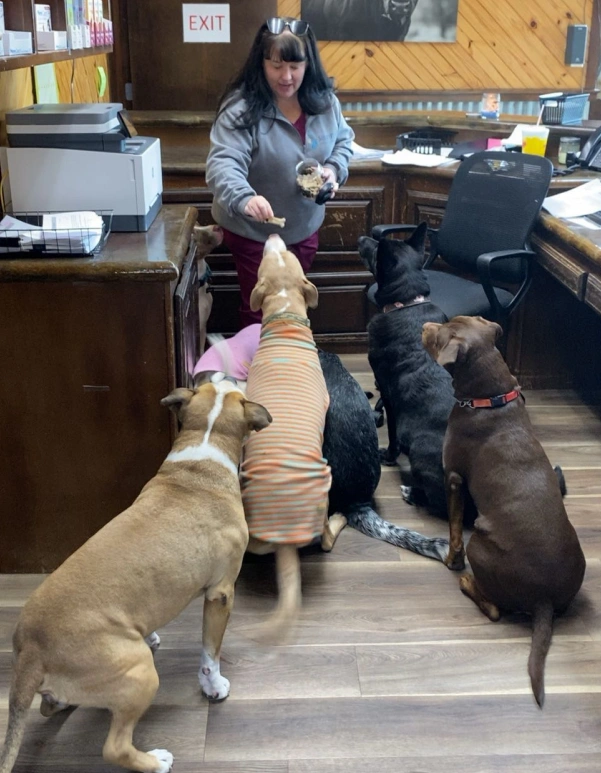
When it comes to pet nutrition, it’s important to understand the standards set by the Association of American Feed Control Officials (AAFCO). This organization sets guidelines for pet food manufacturers to ensure that their products meet the nutritional requirements for pets. Look for pet foods that have been approved by AAFCO to ensure that your pet is getting the proper nutrition they need.
Weight Management for Pets
When dogs and cats become overweight, they are at a greater risk of developing weight-related diseases, such as diabetes, heart disease, and arthritis. Their life expectancy is notably shorter, and it is hard for them to run and play as their heart desires. Approximately one out of three pets in America are obese or overweight, so this is a prevalent concern.
It’s important to monitor your pet’s weight and adjust their diet and exercise routine if needed. Consult with our veterinary team to determine the ideal weight for your pet and create a plan to help them reach and maintain a healthy weight. We can help you pick an appropriate diet and portion sizes for your pet.
Tips for Pet Weight Management
- Avoid feeding your pet table scraps or human food. Even for pets that are not overweight, human food is not good for their teeth and digestive systems. Their bodies are not equipped to break it down and use it effectively, which can result in upset stomachs and food toxicities.
- If your pet is on a special diet plan, do not feed them anything that is not on their plan! Even other types of pet treats. You, as their caretaker, have control over their nutritional intake, so help them feel their best by supporting a healthy weight.
- Nutrition can also be a vital tool for combatting a collection of different ailments such as thyroid disorders, cancers, diabetes, allergies, and more. If your pet has any chronic conditions, ask our veterinarians about how diet can affect their symptoms.
Allergy and Dermatology Issues in Pets
Pets can develop allergies to a range of substances, such as food, pollen, dust, and specific fabrics. Common allergies and skin conditions in pets include:
- Atopic Dermatitis – Atopic dermatitis, also known as environmental allergies, is a common skin condition in pets. It is caused by an allergic reaction to environmental allergens such as pollen, dust mites, and mold. Pets with atopic dermatitis may experience symptoms such as itching, redness, and skin irritation.
- Food Allergies – Pets can also suffer from food allergies. Food allergies occur when a pet’s immune system reacts to a specific ingredient in their food. Common symptoms of food allergies in pets include itching, skin irritation, and gastrointestinal issues.
- Flea Allergy Dermatitis – Flea allergy dermatitis is a common skin condition in pets caused by an allergic reaction to flea saliva. Pets with flea allergy dermatitis may experience intense itching, hair loss, and skin irritation. This condition can be easily prevented by regularly treating your pet for fleas and keeping their environment clean.
Why is Veterinary Allergy and Dermatology Care Important?
- Alleviation of Discomfort and Pain
- Enhancement of Quality of Life
- Prevention of Secondary Infections
- Early Identification of Underlying Health Problems
Allergy Testing in Pets
If your pet is suffering from allergies, our veterinary team may recommend allergy testing to identify the specific allergens causing the reaction. This can be done through blood tests or skin tests. Once the allergens are identified, our team can create a treatment plan tailored to your pet’s needs.
Shawnee Veterinary Preventative Care You Can Trust
Finding veterinary preventative care in Shawnee is easy with our online direct booking feature. Both new and existing clients seeking preventative pet care may schedule an appointment at our Shawnee vet clinic.