Trusted Care Backed by 60+ Years of Experience

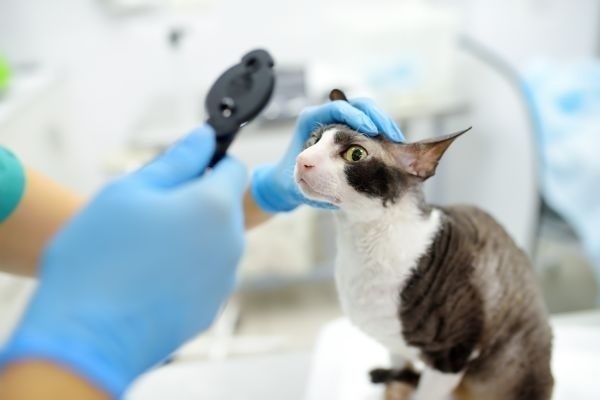
Looking closely at your pet’s eyes provides valuable insight into their overall physical well-being. A healthy animal’s pupils naturally expand and contract in response to light, widening in dim environments to collect available light rays and shrinking in bright settings to protect delicate optical tissues. When a dog or cat presents with persistent, fully enlarged pupils regardless of ambient light, or when one pupil appears dramatically larger than the other, pet owners frequently look online for trusted vets near me to understand the underlying cause.
While brief pupil expansion can occur during moments of play, excitement, or sudden fear, fixed or asymmetrical pupil expansion often signals acute neurological shifts, elevated intraocular pressure, or retinal nerve damage. Seeking urgent pet care ensures that clinical teams evaluate these delicate ocular reflexes without delay, providing targeted diagnostic answers and protecting your companion’s vision. For pet parents living in Shawnee, recognizing when dilated pupils point to a deeper health concern allows you to take fast, decisive action before lasting optical damage develops.
The Biological Mechanisms Driving Pupil Responses
Understanding how pupil dilation occurs involves examining how the iris muscles and nervous system interact to regulate light entering the eye socket.
Sympathetic Nervous System Stimulation
Pupil size is dynamically regulated by opposing branches of the autonomic nervous system. Moments of high excitement, stress, or sudden physical stimulation activate sympathetic nerve pathways, causing the iris sphincter muscle to relax and open wide. Under normal circumstances, once the environmental stimulus subsides, parasympathetic signals return the pupil to a responsive, balanced state.
Intraocular Drainage Blockages and Pressure Spikes
When fluid drainage channels inside the anterior chamber become obstructed, intraocular pressure spikes rapidly. This mechanical strain paralyzes the iris sphincter muscles, leaving the pupil fixed and widely dilated while causing severe ocular pain and corneal fogginess.
Retinal Pathway Disruption and Systemic Vascular Changes
Light entering the eye strikes the retina, which sends electrical signals along optic nerve pathways to the brain. Systemic conditions such as elevated arterial blood pressure or deep internal inflammation can cause fluid leakage beneath the retina or swelling along the optic nerve. When light signals fail to reach visual processing centers in the brain, the automatic constriction reflex ceases to function.
Distinguishing Safe Variations from Immediate Clinical Needs
Determining whether your pet’s dilated pupils reflect a temporary, harmless reaction or require intermediate clinical care depends on evaluating their surroundings, posture, and ocular symmetry.
- Safe Behavioral Variations (Home Observation):
- Symmetrical pupil expansion during high-energy play sessions or sudden curiosity
- Temporary enlargement occurring naturally in low-light or nighttime settings
- Confident, energetic movement around familiar furniture, doorways, and hallways
- Smooth, equal pupil contraction when moving into bright sunlight or lit rooms
- Indicators Demanding Urgent Vet Care
- Pupils that remain wide and completely unresponsive when exposed to direct light
- Anisocoria, where one pupil is noticeably larger or smaller than the opposite eye
- Unexplained spatial disorientation, bumping into walls, or reluctance to navigate stairs
- Cloudiness, bluish discoloration, or visible blood accumulation within internal eye chambers
- Continuous squinting, relentless face pawing, head tilting, or sudden lethargy
Point-of-Care Diagnostics for Pupil Abnormalities
When you seek urgent vet care for persistent pupil dilation, veterinary teams employ gentle point-of-care tools to inspect eye structures and nervous system reflexes without long delays.
- Ophthalmic Tonometry Measurement: Uses a delicate electronic probe to measure intraocular fluid pressure in millimeters of mercury, screening instantly for pressure spikes linked to acute glaucoma.
- Direct and Indirect Ophthalmoscopy: Delivers high-definition magnification to evaluate lens clarity, examine retinal tissue alignment, and inspect optic nerve health.
- Neurological Reflex Testing: Evaluates consensual light reflexes and menace responses to verify neural pathway transmission between the eyes and the brain.
- Arterial Blood Pressure Screening: Measures systemic blood pressure using a soft cuff placed gently around a leg or tail to identify underlying vascular hypertension instantly.
Combining rapid diagnostic feedback with pet-safe anti-hypertensive therapies, protective eye drops, or pressure-regulating medications stops pain at its source and safeguards your companion’s vision.
Supporting Companion Animals Across Shawnee
Protecting your pet’s optical health requires attentive daily care, clean surroundings, and staying mindful of subtle changes in their physical appearance. Checking your companion’s eyes during routine grooming sessions or after outdoor play allows you to spot minor pupil asymmetries or corneal haze before mobility is affected.
If you are from Shawnee and looking for urgent vet care, taking fast action at the first sign of fixed dilated pupils, cloudiness, or spatial disorientation gives your pet the best opportunity for a smooth, full recovery.
Providing timely medical attention when health changes occur preserves your companion’s quality of life and offers complete peace of mind for your entire household.
Taking Action for Your Pet’s Visual Health
When your dog or cat exhibits persistent dilated pupils, spatial hesitation, or visible physical discomfort, securing a prompt evaluation keeps their recovery moving in the right direction. You can schedule an online appointment through our portal to reserve a convenient time for your pet to be examined by our clinical team.
If your companion is actively displaying uncomfortable eye symptoms or sudden optical changes and you prefer to speak directly with our clinical staff before arriving, please call our team at 405-275-0990 so we can offer immediate guidance and prepare for your visit.
Our dedicated medical team looks forward to delivering gentle, expert care for your companion at Shawnee Animal Hospital.
Frequently Asked Questions
Q1. Why do my pet’s pupils remain wide even in a brightly lit room?
Ans: When pupils remain dilated in bright lighting, the automatic light-constriction reflex is impaired. This often indicates retinal damage, optic nerve inflammation, elevated intraocular pressure, or high blood pressure that prevents the eye from processing incoming light normally, requiring prompt veterinary evaluation.
Q2. What causes only one of my pet’s pupils to dilate?
Ans: Unequal pupil sizes, known as anisocoria, suggest an asymmetrical neurological or ocular issue. Common triggers include localized eye trauma, corneal scratches, unilateral glaucoma, anterior uveitis, or nerve pathway disruptions, all of which warrant swift clinical examination.
Q3. Can emotional stress or fear cause pupil dilation that lasts for hours?
Ans: While adrenaline from fear or excitement causes temporary pupil expansion, pupils should return to normal size once the pet relaxes in a quiet room. If dilation persists for hours after the stressful event ends, an underlying medical issue rather than emotional stress is likely responsible.
Q4. Are dilated pupils in senior pets always a sign of vision loss?
Ans: Not necessarily. While dilated pupils can accompany retinal detachment or cataracts in older pets, iris sphincter atrophy (a natural, non-painful weakening of iris muscles in aging animals) can also cause pupils to stay wide without causing complete blindness.
Q5. How should I safely transport a pet with fixed dilated pupils to the clinic?
Ans: Keep your vehicle cool, quiet, and shaded from direct sunlight, as fully dilated pupils allow excessive light into the eye and cause glare sensitivity. Transport small pets in a padded carrier covered loosely with a light sheet, and keep larger dogs calm on a short leash.
Trusted Pet Care & a Friendly Welcome for Every Pet