Trusted Care Backed by 60+ Years of Experience

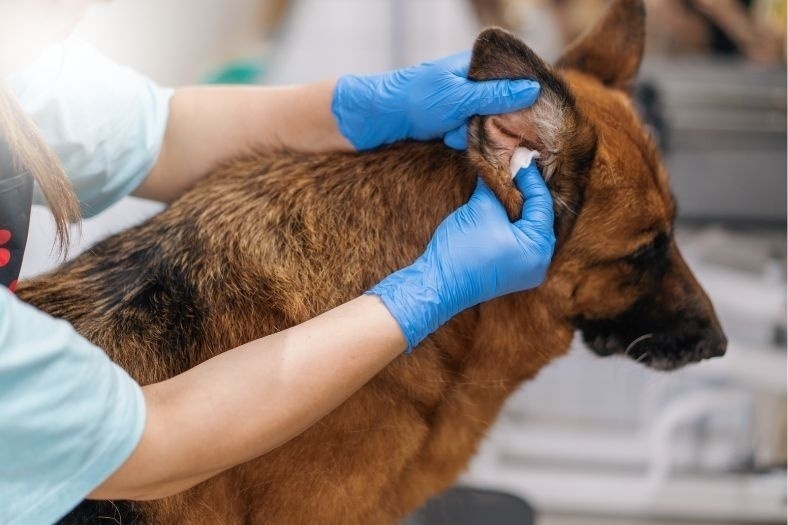
A dog may not show obvious signs of an ear infection right away. It might simply shake its head more often, scratch one ear, or seem uncomfortable when its head is touched. These small changes can be easy to dismiss, but they may indicate an ear problem that needs veterinary attention. Recognizing these early symptoms helps pet owners seek urgent vet care before the condition becomes more painful or complicated.
Ear infections can affect different parts of a dog’s ear and may develop due to bacteria, yeast, allergies, or trapped moisture. Knowing when to monitor a minor change and when to arrange an examination is an important part of responsible pet ownership.
Small Changes That May Signal an Ear Problem
Ear infections do not always begin with severe discomfort. In many cases, the first clues appear through changes in a dog’s daily behavior or the appearance of its ears.
Look for these early signs:
- Repeated head shaking: Your dog may shake its head frequently because of itching or irritation inside the ear.
- Scratching near the ears: Persistent pawing at one or both ears can indicate inflammation or discomfort.
- Unusual odor: A strong or unpleasant smell may develop when yeast or bacteria multiply.
- Visible redness: The skin inside the ear may look red, irritated, or inflamed.
- Excessive buildup: Dark wax, yellow discharge, or other unusual material may indicate an underlying problem.
- Avoiding head contact: A dog that previously enjoyed being petted may pull away when someone touches its ears.
Pay attention to how often these changes occur. Occasional scratching may not indicate an infection, but repeated symptoms deserve a closer look.
Warning Signs That Call for Urgent Vet Care
An ear infection can progress and cause considerable discomfort if it is not properly evaluated. Certain symptoms suggest that your dog needs prompt veterinary attention.
Significant Pain or Discomfort
Whining, sudden irritability, hiding, or resisting any contact around the head may indicate substantial ear pain. Some dogs may also stop eating normally or become less interested in their usual activities.
Swelling of the Ear Flap
A swollen or unusually thick ear flap can develop after repeated head shaking or scratching. This may be an aural hematoma, which occurs when blood collects between the layers of the ear flap and requires veterinary assessment.
Blood or Unusual Discharge
Blood, thick discharge, or a sudden increase in fluid coming from the ear should not be ignored. These changes may indicate significant inflammation, injury, or infection.
Head Tilt and Coordination Problems
If your dog begins holding its head at an unusual angle, stumbling, circling, or struggling to maintain balance, the problem may involve deeper structures of the ear. Seek prompt veterinary guidance when these signs appear.
Sudden Behavioral Changes
A normally playful dog may become withdrawn, restless, or unusually sensitive when experiencing ear discomfort. A noticeable change in behavior, particularly when combined with other symptoms, deserves attention.
When severe pain, bleeding, swelling, or balance difficulties occur, do not wait for the symptoms to resolve on their own. Urgent pet care can help determine the cause and guide the next steps.
Understanding Why Dogs Develop Ear Infections
An ear infection is not always caused by poor hygiene. Several underlying conditions can disturb the normal environment inside the ear canal.
Common contributing factors include:
- Allergies: Environmental or food-related allergies can trigger inflammation and make recurring ear problems more likely.
- Excess moisture: Water trapped after swimming or bathing can encourage irritation and microbial growth.
- Yeast and bacteria: These organisms may multiply when the ear canal becomes inflamed or its natural balance changes.
- Foreign objects: Grass seeds, dirt, and other debris can become trapped inside the ear.
- Ear mites: These parasites can cause intense itching and irritation.
- Ear structure: Dogs with floppy ears, narrow canals, or heavy hair around the ears may be more susceptible to certain ear problems.
When infections keep returning, treating the visible symptoms may not be enough. A veterinarian may need to investigate allergies, anatomy, or another underlying condition.
What Happens During a Veterinary Ear Examination?
A proper examination helps identify the type and extent of the problem. Since different causes can produce similar symptoms, a veterinarian may recommend several checks before selecting a treatment.
The assessment may include:
- Visual inspection: The veterinarian checks for redness, swelling, discharge, odor, and other visible changes.
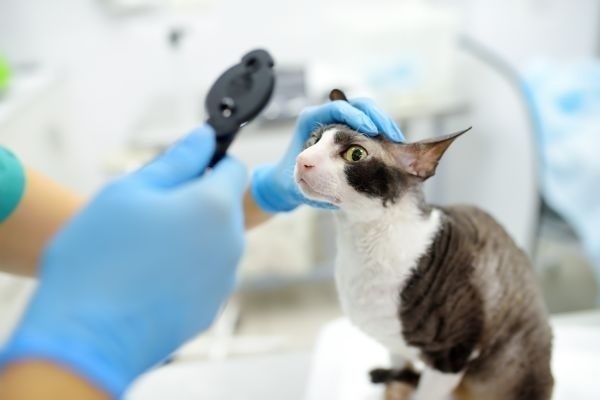
- Otoscope examination: A specialized instrument helps examine the ear canal and, when possible, the eardrum.
- Ear sample testing: A small sample may be examined under a microscope to identify yeast, bacteria, or other organisms.
- Underlying cause assessment: If infections are recurring, the veterinarian may investigate allergies or other contributing conditions.
Treatment depends on the examination findings. It may involve prescribed ear medication, professional cleaning, or additional care for an underlying condition.
Avoid putting household remedies, leftover medication, or unapproved cleaning solutions into your dog’s ears. Some products can worsen irritation or cause harm if the eardrum is damaged.
How Pet Preventive Care Helps Protect Ear Health
Consistent pet preventive care is about noticing potential health concerns before they become more difficult to manage. Ear health should be part of your dog’s regular care routine, particularly if it has a history of recurring infections.
Here are a few practical habits to follow:
- Check your dog’s ears periodically for redness, odor, swelling, or unusual discharge.
- Gently dry the outer ear area after swimming or bathing.
- Use only ear-cleaning products recommended by your veterinarian.
- Avoid inserting cotton swabs or other objects into the ear canal.
- Keep a record of recurring symptoms and previous treatments.
- Mention any history of allergies or ear infections during routine appointments.
A pet wellness exam provides an opportunity to discuss changes in your dog’s health, including recurring itching and ear irritation. Regular examinations can also help identify other concerns that may not be obvious during everyday observation.
Preventive care does not guarantee that infections will never occur, but it can support earlier recognition and more informed treatment decisions.
Local Veterinary Attention for Dogs in Shawnee
Pet owners in Shawnee should not overlook repeated head shaking, persistent scratching, or unusual ear discharge. These symptoms may appear minor initially, but they can become increasingly uncomfortable without appropriate attention.
If your dog has recurring ear problems or develops more concerning symptoms, arranging a veterinary evaluation can help clarify what is happening. Access to urgent pet care is particularly important when discomfort becomes severe or symptoms suggest that deeper ear structures may be affected.
Schedule an Online Appointment
Have you noticed changes in your dog’s ears or behavior? Arrange a veterinary examination to identify the cause and discuss the appropriate treatment.
Shawnee Animal Hospital can help evaluate your dog’s ear health and provide guidance on ongoing care. Use the hospital’s online appointment or booking option, if available, to schedule a visit.
Speak With Our Veterinary Team
If you are unsure how seriously to take your dog’s symptoms, speak with a veterinary professional. Call 405-275-0990 to discuss your concerns and arrange an appointment.
Frequently Asked Questions
Q1. Can an ear infection affect a dog’s sleep?
Ans: Yes. Ear discomfort may make it difficult for a dog to settle comfortably. Your pet might wake frequently, change sleeping positions, scratch its ears, or shake its head during the night. If these behaviors continue, discuss them with a veterinarian rather than assuming they are simply temporary restlessness.
Q2. Can both of a dog’s ears become infected at the same time?
Ans: Yes. Some dogs develop infections in both ears, particularly when an underlying issue such as allergies affects the skin. Other problems may initially involve only one ear. A veterinary examination can help determine whether the symptoms have the same cause and whether both ears need treatment.
Q3. Why do some dogs develop ear infections repeatedly?
Ans: Recurring infections may be associated with allergies, ear anatomy, moisture retention, or incomplete resolution of an earlier problem. Treating each episode without investigating the underlying cause may lead to repeated discomfort. Your veterinarian may recommend further evaluation to identify factors contributing to the pattern.
Q4. Can ear infections change how a dog responds to sounds?
Ans: They can. Inflammation, discharge, or changes within the ear canal may interfere with normal hearing. If your dog suddenly seems less responsive to familiar sounds or reacts differently when approached, mention the change during a veterinary assessment. Hearing changes should not automatically be attributed to aging.
Q5. Is regular ear cleaning necessary for every dog?
Ans: No. Some dogs need occasional cleaning, while others may not require a routine cleaning schedule. Cleaning too frequently or using unsuitable products can irritate the ear canal. Ask your veterinarian whether your dog’s breed, lifestyle, and medical history call for a specific ear-care routine.

Trusted Pet Care & a Friendly Welcome for Every Pet