Trusted Care Backed by 60+ Years of Experience

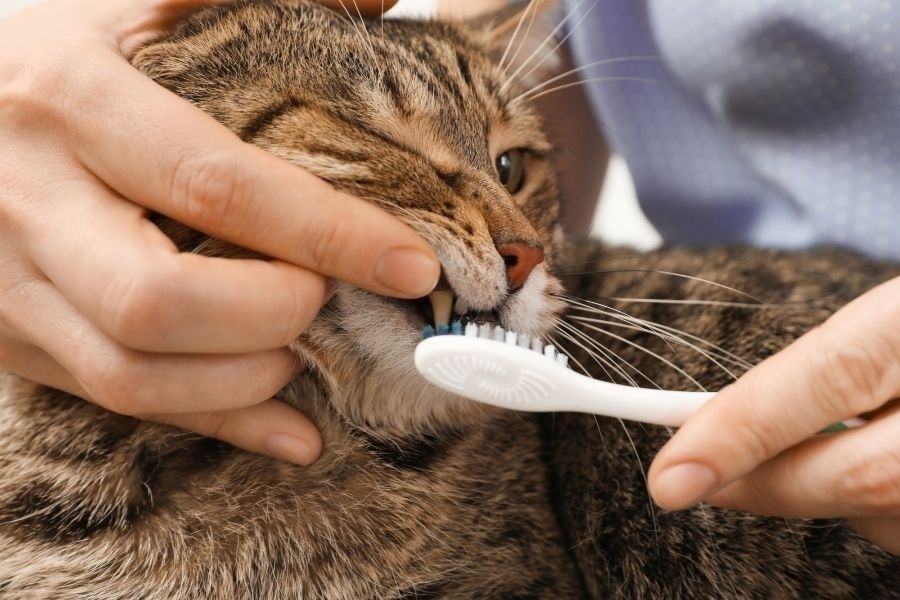
A pet may have clean-looking teeth, a normal appetite, and seemingly fresh breath while still experiencing an underlying oral health problem. Many dental conditions develop beneath the gumline or affect structures that are difficult to examine at home. Since dogs and cats often hide discomfort, these issues can progress before owners notice obvious changes in eating habits or behavior.
Maintaining good oral health requires more than occasionally looking inside your pet’s mouth. Consistent pet dental care includes home hygiene, professional examinations, and timely attention to unusual symptoms. For pet owners in Shawnee, understanding how hidden dental problems develop can help protect their companions from unnecessary discomfort. Shawnee Animal Hospital encourages a proactive approach to oral health as an important part of your pet’s overall well-being.
Why Healthy-Looking Teeth Can Hide Dental Problems
When checking a pet’s mouth, owners naturally focus on the visible surfaces of the teeth. White or relatively clean teeth may appear reassuring, but they do not necessarily indicate healthy gums or supporting tissues.
Many dental conditions begin where the teeth meet the gums. Plaque, a sticky layer containing bacteria, accumulates on tooth surfaces. If it is not removed regularly, it can harden into tartar and contribute to gum inflammation. As the condition progresses, bacteria can affect the tissues that hold the teeth in place.
Problems may also develop below the gumline, where they cannot be identified through a simple visual inspection. A pet can have periodontal disease, damaged tooth roots, or other painful conditions even when the visible part of the teeth looks normal.
This is why professional pet dentistry involves more than evaluating tooth color. A complete assessment considers the gums, oral tissues, tooth surfaces, and structures supporting each tooth.
Common Hidden Dental Problems in Dogs and Cats
Several oral health conditions can remain unnoticed until they become more advanced. Understanding these problems helps owners recognize why regular dental evaluations are valuable.
Periodontal disease
Periodontal disease affects the gums and supporting structures around the teeth. It often begins as gingivitis, which causes redness and inflammation along the gumline. Without appropriate care, the condition can progress and damage the tissues and bone supporting the teeth. Advanced disease may eventually lead to loose teeth or tooth loss.
Tooth root infections
An infection around a tooth root may develop because of advanced periodontal disease, a fractured tooth, or other damage. The visible crown may not show an obvious problem, even when the underlying tissues are affected. Some pets develop swelling or drainage, while others show only subtle behavioral changes.
Fractured teeth
Chewing hard objects, accidents, or oral trauma can cause teeth to crack or break. Small fractures may be difficult to see, especially on the back teeth. If the damage exposes the inner pulp, bacteria can enter the tooth and lead to inflammation or infection.
Tooth resorption in cats
Tooth resorption occurs when the structure of a tooth gradually breaks down. It is a common dental concern in cats and can be painful. Some affected teeth appear normal until a veterinarian identifies damage near the gumline.
Retained tooth roots
Sometimes a tooth breaks or is removed while a portion of the root remains beneath the gum tissue. Retained roots can contribute to inflammation and discomfort. Dental imaging may be necessary to locate these hidden structures.
Subtle Signs That Your Pet May Have Oral Discomfort
Pets cannot explain where they feel pain, and many continue eating despite dental discomfort. Instead of refusing food completely, they may gradually change how they chew or interact with meals.
Watch for signs such as:
- Chewing food on one side of the mouth.
- Dropping kibble or treats while eating.
- Taking longer than usual to finish meals.
- Avoiding hard toys or chew products.
- Pawing at the mouth or rubbing the face.
- Excessive drooling or unusual saliva.
- Persistent bad breath.
- Red, swollen, or bleeding gums.
- Becoming reluctant to have their face touched.
- Reduced interest in play or normal activities.
Some pets may also become quieter, irritable, or less social. These changes do not automatically confirm dental disease, but they should not be ignored. A veterinary examination can help determine whether an oral health issue is contributing to the behavior.
Why Dental Disease Can Be Difficult to Identify at Home
Dogs and cats often conceal signs of discomfort as a natural response. They may continue their usual routines even when an underlying dental condition is causing pain.
Another challenge is that owners cannot easily examine every part of the mouth. The back teeth, gum pockets, and structures beneath the gumline are difficult to inspect without appropriate equipment and professional experience.
A pet may also adapt to chronic discomfort by changing eating habits. For example, an animal with a painful tooth may prefer softer food, chew more slowly, or swallow without chewing normally. These adjustments can make the problem less noticeable.
Regular veterinary evaluations help address these limitations. Rather than relying only on visible symptoms, veterinarians can assess the mouth more thoroughly and recommend further evaluation when necessary.
How Professional Pet Dentistry Helps Detect Hidden Issues
A routine veterinary examination provides an opportunity to assess your pet’s oral health. The veterinarian may look for tartar accumulation, gum inflammation, broken teeth, oral growths, and changes in surrounding tissues.
If a dental problem is suspected, a more detailed assessment may be recommended. Professional dental cleaning can remove plaque and tartar from tooth surfaces and areas below the gumline. Dental radiographs may also help identify concerns that cannot be seen during a visual examination, including root damage, bone loss, and certain forms of tooth disease.
Depending on the findings, treatment may involve professional cleaning, extraction of a damaged tooth, or another appropriate dental procedure. The recommended approach depends on the affected tooth, the severity of the condition, and the pet’s overall health.
Professional evaluation is particularly important when a pet has persistent bad breath, unusual chewing habits, or visible gum changes. Early assessment can help identify the underlying cause and guide appropriate treatment.
Everyday Habits That Support Better Pet Dental Care
Professional examinations are essential, but home care also plays an important role in maintaining oral health. Consistent habits can help reduce plaque accumulation and support healthier gums.
Brush your pet’s teeth regularly: Use a toothbrush and toothpaste specifically formulated for animals. Human toothpaste is not suitable for pets. Introduce brushing gradually so your companion becomes comfortable with the process.
Choose appropriate dental products: Ask your veterinarian about suitable dental chews, diets, and oral hygiene products. Not every product is appropriate for every pet.
Avoid excessively hard chew items: Bones, antlers, and other very hard objects can fracture teeth. Choose products designed with your pet’s size and chewing habits in mind.
Monitor eating behavior: Notice whether your pet drops food, avoids certain textures, or chews differently. Small changes can provide useful clues about oral discomfort.
Maintain routine examinations: Professional assessments help identify problems that home care cannot detect, especially those affecting the roots or tissues beneath the gums.
Remember that brushing and dental chews cannot treat advanced periodontal disease, infected roots, or fractured teeth. If a problem already exists, professional evaluation is necessary.
Why Dental Monitoring Matters at Every Life Stage
Oral health needs can change as pets grow older. Young animals may develop retained baby teeth or bite alignment concerns. Adult pets can experience plaque buildup and periodontal disease, while senior companions may have a longer history of dental wear, tooth damage, or other oral conditions.
Breed and individual anatomy can also influence dental health. Small dogs may be more prone to dental crowding because their teeth are positioned within a relatively small jaw. Cats can develop conditions such as tooth resorption that may remain difficult to recognize without a detailed examination.
Including dental assessments in routine veterinary visits allows changes to be monitored over time. It also gives owners an opportunity to discuss brushing techniques, suitable dental products, and unusual behaviors they have observed.
Schedule a Pet Dental Evaluation at Shawnee Animal Hospital
Healthy-looking teeth do not always tell the whole story. Hidden periodontal disease, damaged roots, and other oral conditions can affect your pet’s comfort even when the mouth appears normal. Regular examinations and consistent home hygiene can help identify concerns and support long-term oral health.
If you live in Shawnee and have noticed persistent bad breath, changes in chewing habits, or other possible signs of dental discomfort, schedule an appointment with Shawnee Animal Hospital. Book a pet wellness visit to discuss your companion’s oral health and learn which pet dentistry services or preventive measures may be appropriate. Taking a proactive approach to pet dental care can help protect your companion’s comfort and quality of life.
Frequently Asked Questions
Q1. Can my pet have dental disease even if their teeth look clean?
Ans: Yes. Dental disease can develop beneath the gumline or affect tooth roots and supporting tissues without causing obvious changes to visible tooth surfaces. A professional examination can help identify problems that are difficult to detect at home.
Q2. Does bad breath always indicate a dental problem?
Ans: Persistent bad breath can be associated with plaque buildup, gum inflammation, periodontal disease, or other oral health concerns. It is not a diagnosis by itself, so a veterinary examination is helpful in determining the underlying cause.
Q3. How often should my pet receive a professional dental examination?
Ans: Your pet’s mouth should be evaluated during routine veterinary visits. The need for additional dental assessments depends on age, breed, oral health history, and existing concerns. Your veterinarian can recommend an appropriate schedule.
Q4. Are dental chews enough to prevent dental problems in pets?
Ans: Dental chews may help reduce plaque accumulation when they are appropriate for the pet, but they do not replace regular brushing or professional dental care. They also cannot treat existing periodontal disease, infected roots, or damaged teeth.
Q5. Why does my pet continue eating if they have a painful tooth?
Ans: Pets may adapt their chewing habits or continue eating despite oral discomfort. Some chew on one side, prefer softer food, or swallow without chewing normally. A normal appetite does not necessarily mean that a pet is free from dental pain.
Related Articles
Trusted Pet Care & a Friendly Welcome for Every Pet