Trusted Care Backed by 60+ Years of Experience

The Importance of Veterinary Diagnostic Testing
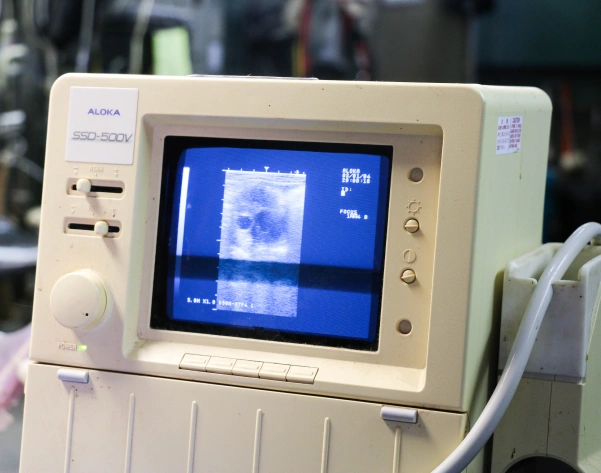
Veterinary diagnostic technologies, such as X-rays, ultrasound, and in-house laboratories, allow our veterinarians to understand what is happening inside your pet’s body without the need for invasive procedures. These technologies also help our veterinarians monitor the progress of treatments and surgeries and detect any potential health issues before they become more serious.
In-House Laboratory in Shawnee
Our in-house laboratory allows us to perform the following tests and get results quickly so that we can diagnose your pet’s symptoms and start treatment as soon as possible.
- Complete Blood Counts
- Blood Chemistry Panels
- Parvovirus
- Heartworm Detection
- Fecal Exams
- Urinalysis
- Electrolyte Evaluation
- Skin & Ear Cytology
- Feline Leukemia
- Feline Immunodeficiency
Heartworm Testing in Shawnee

Heartworm disease is a serious and potentially fatal condition that affects dogs. It is caused by a parasitic worm called Dirofilaria immitis, which is transmitted through the bite of an infected mosquito. Heartworm testing is important for pet wellness because it allows our veterinarians to detect and treat heartworm disease before it becomes life-threatening.
There are two types of heartworm tests that can be done in dogs:
- Antigen Test – The antigen test is the most common type of heartworm test in dogs. It involves taking a small sample of your dog’s blood and testing it for the presence of antigens produced by adult female heartworms. This test can detect heartworms that are at least 6 months old.
- Microfilaria Test – The microfilaria test is used to detect microfilariae, the offspring of adult heartworms. It involves taking a small sample of your dog’s blood and examining it under a microscope for the presence of microfilariae. This test is usually done in conjunction with the antigen test to confirm a heartworm diagnosis.

FIV/FeLV Testing for Cats in Shawnee
FIV (feline immunodeficiency virus) and FeLV (feline leukemia virus) are two of the most common infectious diseases in cats. Both viruses can weaken a cat’s immune system, making them more susceptible to other infections and diseases. FIV/FeLV testing is important for pet wellness because it allows our veterinarians to detect and treat these viruses before they cause serious harm to your cat.
There are two types of FIV/FeLV tests that can be done in cats:
- Antibody Test – The antibody test is the most common type of FIV/FeLV test in cats. It involves taking a small sample of your cat’s blood and testing it for the presence of antibodies produced by the cat’s immune system in response to an FIV or FeLV infection.
- Antigen Test – The antigen test is used to detect the viruses in the cat’s blood. It involves taking a small sample of your cat’s blood and testing it for the presence of antigens produced by the viruses. This test is usually done in conjunction with the antibody test to confirm a diagnosis.
Urinalysis Testing for Pets in Shawnee
Urinalysis is a diagnostic test that examines a pet’s urine for any abnormalities. Urinalysis can provide valuable information about your pet’s health, including the functioning of their kidneys, liver, and other organs. It can also detect the presence of any infections, inflammation, or other underlying health issues that may not be apparent through a physical examination.
Collecting a Pet Urine Sample
The first step in a pet urinalysis is collecting a urine sample from your pet. Depending on your pet’s size and temperament, our veterinarians may collect the sample in one of the following ways:
Free catch
For dogs, your veterinarian may ask you to collect a urine sample at home and bring it to the appointment. This is typically done by holding a clean container under your dog while they urinate.
Manual expression
For cats, our veterinarians may manually express the bladder to collect a urine sample.
Cystocentesis
In some cases, our veterinarians may need to collect a urine sample directly from your pet’s bladder using a needle and syringe.
Veterinary X-Ray in Shawnee
X-rays, also known as radiographs, use electromagnetic radiation to create images of the inside of the body. They are commonly used to diagnose bone fractures, joint issues, and internal organ problems.
Benefits of Veterinary X-Ray
- Non-Invasive and Quick – One of the main benefits of veterinary X-rays is that they are non-invasive and quick. This means your pet does not need to undergo surgery or anesthesia, and the procedure can be completed in minutes.
- Accurate Diagnosis – X-rays provide clear and detailed images of the inside of the body, allowing our veterinarians to accurately diagnose health issues. This is especially important when it comes to detecting bone fractures or foreign objects that may be causing discomfort or illness.
How Is X-Ray Performed?
The process of performing an X-ray on a pet is like that of a human. The pet is placed on a table or held by a technician, and the X-ray machine is positioned to take images of the desired area. The pet may need to be sedated or restrained to ensure they stay still during the procedure.
The X-ray machine emits a small amount of radiation, which passes through the body and creates an image on a special film or digital sensor. The images are then developed and analyzed by our veterinarians to make a diagnosis.
Veterinary Ultrasound in Shawnee
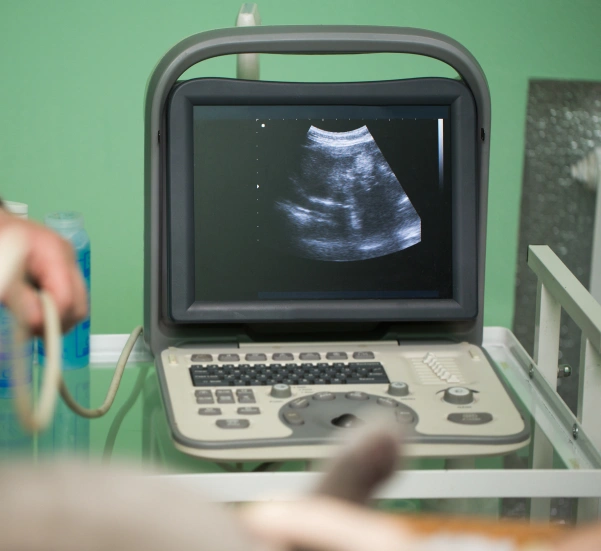
Ultrasound, also known as sonography, uses high-frequency sound waves to create images of the inside of the body. It is commonly used to diagnose soft tissue injuries, heart conditions, and pregnancy.
Benefits of Veterinary Ultrasound
- Non-Invasive and Safe – Like X-rays, ultrasound is a non-invasive and safe procedure for pets. It does not use any radiation, making it a popular choice for pregnant animals or those who have already undergone multiple X-rays.
- Detailed Images – Ultrasound provides highly detailed images of soft tissues, such as organs and muscles. This allows our veterinarians to detect even the smallest abnormalities and make an accurate diagnosis.
- Real-Time Imaging – Unlike X-rays, which produce still images, ultrasound provides real-time imaging. This means our veterinarians can see the movement and function of organs and tissues, which can be crucial in diagnosing certain conditions.
How Is Ultrasound Performed?
During an ultrasound procedure, the pet is placed on a table and a gel is applied to the area being examined. Our veterinarians then use a handheld device called a transducer to emit high-frequency sound waves into the body. These sound waves bounce off the internal structures and create images on a screen.
The procedure is painless and typically takes around 30 minutes or less to complete. In some cases, sedation may be necessary to keep the pet calm and still during the procedure.
Allergy and Dermatology Testing for Pets in Shawnee
Does your pet frequently scratch or bite their skin often? Do they have dry, rough, or scaly patches of skin? Do they seem bothered by their skin or fur frequently?
We are here to help end the uncomfortable cycle of dermatological issues, such as allergies, autoimmune diseases, infections, dermatitis, parasites, tumors, and skin cancer. These issues can make your pet irritable, and severally distressed.
Common Pet Allergies
- Flea allergies
- Food allergies
- Atopy – predisposition to an allergy caused by substances that are inhaled or contact the skin. Atopy can be created by pollen, grass, dander, mold, or even house dust
Types of Allergy and Dermatology Testing for Pets
There are several types of allergy and dermatology testing available for pets. The most common methods include skin testing, blood testing, and elimination diets.
- Skin Testing – Skin testing involves injecting small amounts of potential allergens into the skin and monitoring for a reaction. This can help identify the specific allergens that are causing your pet’s symptoms. Skin testing is typically more accurate than blood testing, but it can be more expensive and may require sedation for your pet.
- Blood Testing – Blood testing involves taking a blood sample from your pet and testing it for antibodies to specific allergens. This can help identify potential allergens, but it may not be as accurate as skin testing. Blood testing is also less invasive and does not require sedation for your pet.
- Elimination Diets – Elimination diets involve removing potential allergens from your pet’s diet and slowly reintroducing them to identify any reactions. This can help identify food allergies and intolerances, which are common in pets. Elimination diets can be time-consuming and require strict adherence, but they can be an effective way to identify food allergies.
* If it is determined that the root cause of the issue is not an allergy, we may need to perform further diagnostic work to pinpoint the problem with the help of our in-house laboratory.
Treatment Options for Pet Allergies
Once the allergens have been identified, our veterinary team will proceed with the appropriate treatment. Treatments for allergies can range from injections, medications, special diets, and simple avoidance of the allergen if possible.
Find a Veterinarian Radiologist Near Shawnee, OK
Finding a veterinarian radiologist vet near you in Shawnee is easy with our online direct booking feature. Both new and existing clients seeking veterinary diagnostic care may schedule an appointment at our Shawnee vet clinic.