Trusted Care Backed by 60+ Years of Experience

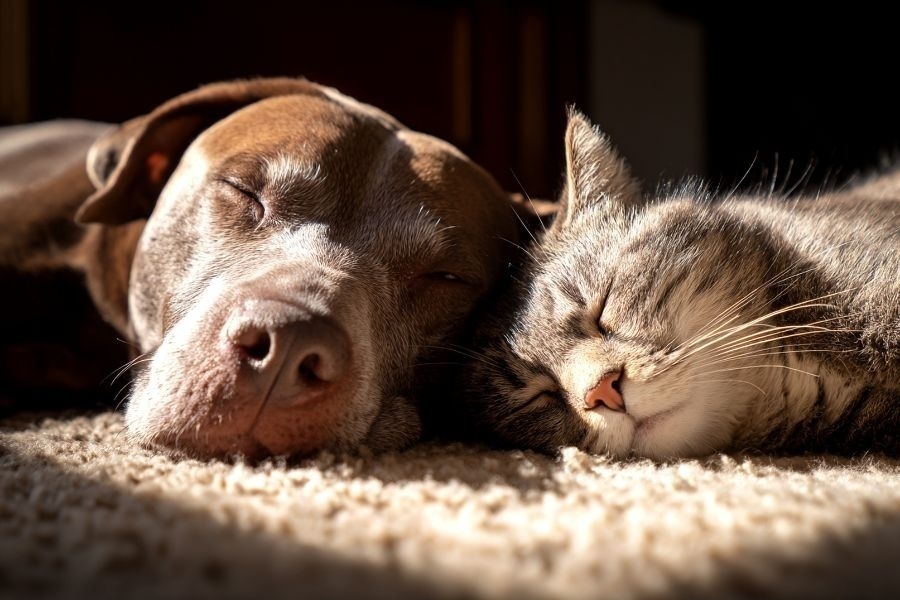
Your dog may still run to the door when he hears the leash, and your cat may still stalk a feather toy. But the same exercise that kept them fit at five can leave them sore and exhausted at twelve. Adjusting activity is a key part of senior pet care, and it’s wise to ask a veterinarian near me before making big changes. For pet owners in Shawnee, a tailored routine can keep an aging companion strong, comfortable, and happy.
How Aging Changes What Your Pet’s Body Can Handle
Time changes the body in ways that aren’t always visible. Joint cartilage thins, which can lead to arthritis. Muscles lose strength and bulk, so the joints get less support. The heart and lungs don’t work as efficiently, which means your pet tires faster and takes longer to catch their breath.
Recovery slows down as well. A long hike that left a young dog happily sleepy may leave a senior dog limping for days. Older pets also have a harder time regulating body temperature, so heat and cold can bother them more than before.
Despite all this, exercise is not something to give up. Regular movement helps maintain muscle, support joints, control weight, and keep the mind sharp. Pets who stay gently active often feel better and move more easily than pets who rest all day.
The goal is not less exercise, but smarter exercise. Shorter, gentler, and more consistent activity usually serves an older body better than occasional bursts of intense effort.
Signs Your Senior Pet’s Routine Needs Adjusting
Pets rarely complain, so you have to read the clues. Watch for signs that activity is too much:
- Limping or stiffness during or after exercise, especially the next morning
- Heavy panting that takes a long time to settle
- Lagging behind on walks or suddenly stopping
- Reluctance to start a walk, or heading home early
- Sleeping much more than usual after activity
Too little activity causes problems too. Weight gain, muscle loss, restlessness, destructive behavior, and boredom can all appear when an older pet doesn’t move enough. A pet who has stopped playing may be in pain rather than simply “slowing down.”
A helpful test is the 24-hour rule. If your pet seems sore, stiff, or unusually tired a day after an outing, the activity was probably too much, and you should scale back next time. Keeping a quick note after each walk or play session makes patterns easier to spot.
Because pain often hides behind “just getting old,” any sudden or lasting change in energy deserves a closer look.
Exercise Ideas That Support Senior Pet Care
The best routines are low-impact, predictable, and matched to your pet’s abilities. For dogs, try:
- Shorter walks two or three times a day instead of one long outing
- Flat, soft surfaces like grass or dirt trails rather than hard pavement
- Slow “sniff walks,” where your dog sets the pace and explores scents
- Gentle hills at an easy pace to build strength
- Swimming or hydrotherapy, when approved by your veterinarian
Avoid repeated jumping, sharp turns, and long games of fetch on hard ground, which can strain aging joints. Start each outing with a slow warm-up, and finish with a cool-down walk.
Cats need movement too, even if they seem content to nap. Use a wand toy slowly at floor level so your cat can stalk and pounce without big leaps. Puzzle feeders, treat balls, and a window perch with a view give gentle exercise for body and mind. Ramps or pet steps can help a cat reach favorite spots without hurting her joints. Keep sessions to five or ten minutes and let her decide when she’s finished.
Pay attention to weather. Exercise during the cooler parts of the day, and bring water on every outing. Build in rest days, and always end on a good note. Small, steady routines are the foundation of strong senior pet care.
When to See a Veterinarian Near Me About Exercise
Before starting or changing an exercise routine, it helps to know what’s going on inside your pet’s body. A veterinarian near me can examine your pet’s joints, muscles, heart, and lungs and determine what level of activity is safe. This matters even more if your pet has arthritis, heart disease, obesity, or a previous injury.
Your veterinarian may recommend bloodwork, a urinalysis, a blood pressure check, or X-rays to look for hidden conditions. Treating pain with medication, joint support, or weight management often makes exercise more comfortable and effective. Some pets benefit from rehabilitation therapy, which uses guided exercises to rebuild strength safely.
Call your veterinarian promptly if your pet collapses, struggles to breathe, limps badly, or yelps in pain. Don’t wait if a sudden change in energy or mobility appears.
Most veterinarians recommend senior wellness exams about every six months. These visits let your veterinarian adjust your pet’s exercise plan as their abilities change, and they create a record that makes subtle declines easier to catch. Bring notes and short videos of your pet walking, since movement at home often looks different than in the exam room.
Conclusion: Keep Moving, Just Differently
Aging doesn’t mean your pet has to stop enjoying activity. It means the activity should fit the body they have now. By watching for signs of strain, choosing gentle low-impact exercises, and checking in regularly, you can help your pet stay strong and independent. Thoughtful senior pet care balances movement with rest and protects your pet’s comfort.
If you’re unsure what’s right for your older companion, a veterinarian near me can help you build a plan that works. The team at Shawnee Animal Hospital in Shawnee is ready to examine your pet, answer your questions, and recommend a routine that suits their age and health. You know your pet best, so trust your instincts and ask for support when you need it.
At Shawnee Animal Hospital in Shawnee, we are committed to helping senior pets stay active, comfortable, and healthy. Schedule your pet’s visit today and give your pet the care they deserve.
Frequently Asked Questions
Q1. How much exercise does a senior dog need each day?
Ans: It depends on breed, size, and health, but many senior dogs do well with two or three short walks totaling 20 to 40 minutes. Watch how your dog feels afterward, and ask your veterinarian for a plan that fits his condition.
Q2. Do senior cats really need exercise?
Ans: Yes. Gentle play helps maintain muscle, manage weight, and keep the mind engaged. Short sessions with wand toys, puzzle feeders, and easy-to-reach perches are usually enough for older cats.
Q3. Is it okay to exercise a pet with arthritis?
Ans: In most cases, yes, and gentle movement often helps. The key is choosing low-impact activity and managing pain properly. Your veterinarian can recommend safe exercises and treatment options.
Q4. How do I find a veterinarian near me in Shawnee for senior pet care?
Ans: Look for a local animal hospital that offers senior wellness exams, diagnostic testing, and pain management, and that is willing to help you plan activity. Ask how often your pet should be rechecked and how the team supports you between visits.
Q5. Should I stop exercising my pet if he seems sore afterward?
Ans: Rest for a day and watch closely. If stiffness or limping continues, or your pet seems to be in pain, schedule an exam. Next time, shorten the activity or reduce the intensity.
Related Articles
Trusted Pet Care & a Friendly Welcome for Every Pet