Trusted Care Backed by 60+ Years of Experience

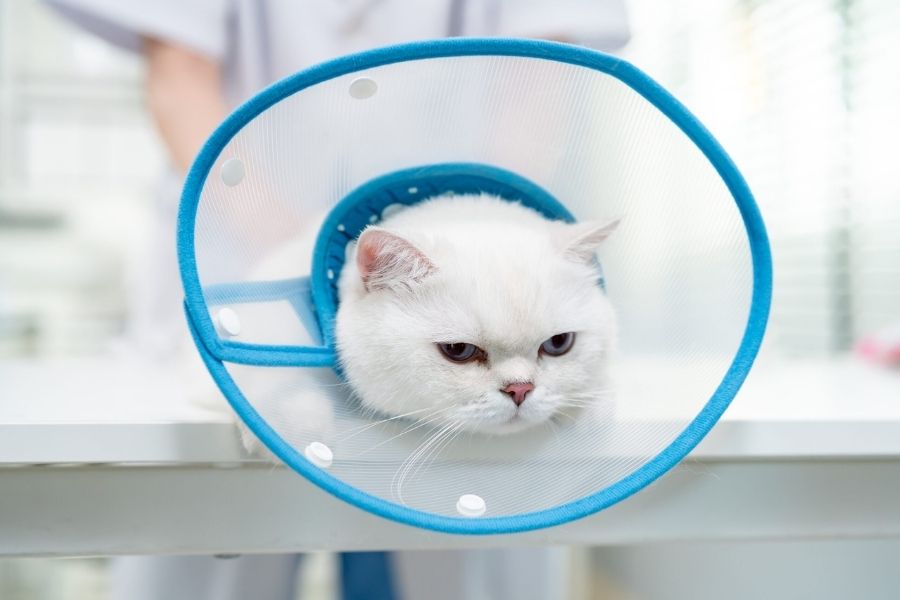
Dogs and cats can be naturally curious. They may chew toys, investigate household objects, swallow pieces of food, or play with items that were never intended to be eaten. Sometimes, an object passes through the digestive system without causing a problem. In other situations, it can become lodged and interfere with normal digestion.
When an object cannot pass safely through the digestive tract, foreign body removal surgery may be considered. Understanding why this procedure may be recommended, how veterinarians evaluate the situation, and what recovery involves can help pet owners feel more prepared.
For families in Shawnee, Shawnee Animal Hospital provides veterinary evaluation and guidance when a pet may have swallowed an object. Appropriate pet surgery depends on the location of the object, the pet’s overall health, the symptoms present, and diagnostic findings.
What Is a Foreign Body?
A foreign body is an object that enters a pet’s body but cannot be naturally processed as food. Examples can include pieces of toys, fabric, string, small household objects, stones, or other materials.
Not every swallowed object creates the same concern. Some small objects may move through the digestive tract naturally, while others may become stuck in the stomach or intestines.
The shape and size of the object can influence the situation. Long or string-like materials may create different concerns from small, smooth objects. Because the owner may not always know exactly what was swallowed, veterinary evaluation can be important when symptoms develop.
Why Foreign Objects Can Become Dangerous
The digestive tract is designed to move food and material through the body. When an object becomes lodged, normal movement may be disrupted.
A blockage can interfere with the passage of food and fluids. The affected area may also become irritated or damaged. As the situation develops, a pet may experience vomiting, reduced appetite, abdominal discomfort, changes in bowel movements, or unusual behavior.
The symptoms can vary depending on the location and type of object. This is one reason pet owners should not assume that a pet is fine simply because the swallowed object was small or the animal initially appeared normal.
How Veterinarians Evaluate a Suspected Foreign Body
The diagnostic process usually begins with a physical examination and a discussion about what happened. Your veterinarian may ask what your pet could have swallowed, when it may have happened, and what changes you have noticed since then.
The physical examination can provide additional clues. Depending on the circumstances, diagnostic imaging may be recommended to help determine whether an object is present and where it may be located.
Blood testing may also provide information about your pet’s overall condition. The veterinarian can use the available findings to assess whether monitoring, another diagnostic approach, or pet surgery should be considered.
The goal is to understand the situation before determining the most appropriate course of action.
When Surgery May Be Recommended
Surgery may be considered when a foreign object cannot safely pass through the digestive tract or when the veterinarian determines that leaving it in place could create a greater health concern.
The location of the object matters. An object lodged in the stomach may require a different surgical approach from one located farther along the intestinal tract.
The condition of the surrounding tissue is also important. If the digestive tract has been significantly affected, the surgical plan may need to account for that finding.
Veterinary surgery is therefore not based solely on the fact that an object was swallowed. It is based on the complete clinical picture and the risks associated with leaving the object in place.
Why Timing Can Influence Pet Surgical Care
The longer a foreign object remains lodged, the more opportunity there may be for complications to develop. However, the appropriate response depends on the individual circumstances.
This is why prompt veterinary evaluation can be valuable when a pet has swallowed a potentially harmful object or develops symptoms after possibly ingesting something unusual.
Early evaluation allows the veterinarian to determine what is happening rather than relying on assumptions. Diagnostic findings can help clarify whether the object is moving normally or whether intervention may be necessary.
What Happens During Foreign Body Removal Surgery?
The exact procedure depends on where the object is located and what the veterinarian discovers during the operation.
If the object is located in the stomach, the surgeon may access the stomach to remove it. If the object has moved into the intestines, the procedure may involve the affected section of the intestinal tract.
The veterinarian will explain the planned procedure based on the diagnostic findings and your pet’s individual condition. If the digestive tract has been affected, additional surgical considerations may be necessary.
Pet surgical care also includes monitoring before, during, and after the procedure. Your veterinary team can explain what your pet’s recovery is expected to involve.
Pre-Surgical Evaluation Matters
Before veterinary surgery, your pet’s overall health should be considered. The veterinarian may review the medical history and perform diagnostic testing to evaluate the patient’s condition.
Factors such as dehydration, changes in blood values, the duration of symptoms, and the condition of the digestive tract can influence surgical planning.
Pre-surgical information can help the veterinary team prepare for the procedure and determine what monitoring may be appropriate.
This individualized approach is important because two pets that swallow similar objects may not have identical medical needs.
Recovery After Foreign Body Removal
Recovery depends on the type of procedure performed and your pet’s overall condition. After surgery, your veterinarian may provide instructions concerning food, activity, medications, incision care, and follow-up visits.
Your pet may need a quieter routine while healing. Preventing excessive activity can help protect the surgical site and support recovery.
Watch your pet closely at home and follow the veterinary team’s instructions. Contact the clinic if you notice unexpected changes or have questions about the recovery process.
Follow-up appointments can also help the veterinarian assess healing and determine whether your pet can gradually return to normal activity.
How Pet Owners Can Reduce Future Risks
Preventing foreign body ingestion starts with understanding your pet’s habits. Dogs and cats that chew household items may need closer supervision and safer alternatives.
Keep small objects, loose strings, children’s toys, craft materials, and other potentially swallowable items out of reach. Inspect pet toys regularly for damage and remove items that are beginning to break apart.
Food scraps and discarded packaging can also attract curious pets. Keeping household waste securely contained can reduce opportunities for accidental ingestion.
For pets that repeatedly chew or swallow unusual objects, discuss the behavior with your veterinarian. Understanding why the behavior occurs may help you develop a safer daily routine.
Recognizing Changes After Possible Ingestion
If you suspect your pet has swallowed an object, pay attention to changes in appetite, vomiting, bowel movements, activity, and behavior.
A pet that suddenly stops eating, repeatedly vomits, becomes unusually quiet, or behaves differently may need veterinary evaluation. Do not assume that symptoms will resolve without assessment.
Your veterinarian can determine which diagnostic steps are appropriate based on the history and physical examination.
Choosing a Thoughtful Approach to Pet Surgery
Foreign body removal is not a one-size-fits-all procedure. The appropriate approach depends on the object, its location, the condition of the digestive tract, and your pet’s overall health.
Sometimes diagnostic findings may support observation or another approach. In other situations, surgery may provide the most appropriate way to remove an object and address the underlying problem.
The purpose of pet surgical care is to address the specific medical concern while considering the patient’s individual needs.
Foreign Body Evaluation in Shawnee
Pet owners in Shawnee can turn to Shawnee Animal Hospital for veterinary evaluation when a foreign object may have been swallowed. A careful examination and appropriate diagnostic process can help determine what is happening and whether veterinary surgery should be considered.
If you have questions about a possible ingestion, share as much information as possible with your veterinarian, including what your pet may have swallowed and when you believe it happened.
Schedule an Appointment With Shawnee Animal Hospital
If you suspect that your pet has swallowed a foreign object or you have noticed symptoms that concern you, schedule an appointment with Shawnee Animal Hospital in Shawnee. A veterinary evaluation can help determine whether diagnostic testing or pet surgery is appropriate.
Use online appointment booking to arrange a visit and discuss your pet’s symptoms with the veterinary team. Providing details about the suspected object, timing, and changes you have noticed can help your veterinarian evaluate the situation more effectively.
Frequently Asked Questions
Q1. What is a foreign body in a pet?
Ans: A foreign body is an object that a pet has swallowed or otherwise ingested that cannot be safely processed as food. It may sometimes pass naturally, but an object can also become lodged in the digestive tract.
Q2. Does every swallowed object require pet surgery?
Ans: No. The appropriate approach depends on the object’s size, shape, location, movement, and the pet’s condition. A veterinarian can determine whether monitoring, additional evaluation, or surgery is appropriate.
Q3. What symptoms can occur when a pet has a digestive blockage?
Ans: Possible signs can include vomiting, reduced appetite, changes in bowel movements, abdominal discomfort, reduced activity, or unusual behavior. Symptoms can vary depending on the individual situation.
Q4. How long does recovery take after foreign body removal surgery?
Ans: Recovery varies according to the procedure performed and the pet’s overall condition. Your veterinarian will provide specific instructions about feeding, activity, medications, incision care, and follow-up.
Q5. How can I prevent my pet from swallowing foreign objects?
Ans: Keep small household items, damaged toys, loose strings, packaging, and other swallowable materials away from your pet. Supervise pets with strong chewing or scavenging habits and discuss recurring behavior with your veterinarian.
Related Articles
Trusted Pet Care & a Friendly Welcome for Every Pet