Trusted Care Backed by 60+ Years of Experience

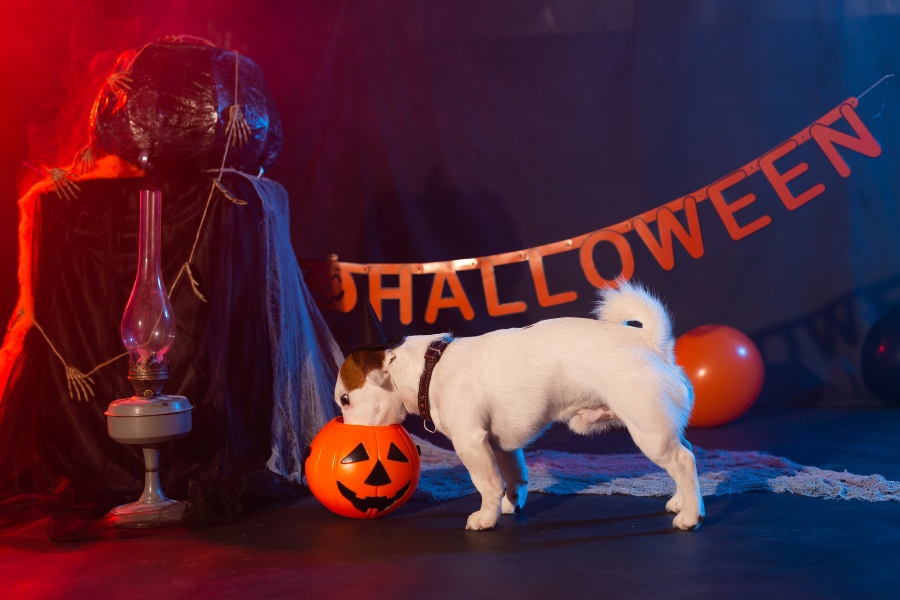
Halloween decorations often feature fake blood, colorful slime, glowing liquids, and special effects that make homes look spooky. While these products can add excitement to seasonal celebrations, some may contain ingredients that irritate a pet’s skin, eyes, or digestive system. Curious dogs and cats may lick spills, chew containers, or walk through decorative substances before their owners notice.
For pet owners searching for a veterinarian in Shawnee, understanding the risks associated with Halloween products can help prevent accidental exposure. Not every decorative product is highly toxic, but its ingredients, concentration, and the amount a pet encounters all influence the potential danger. Knowing how to store these products and respond to an accident can help keep Halloween safer for your companion.
Why Halloween Special Effects Can Be Risky for Pets
Fake blood, Halloween slime, glow products, theatrical makeup, and decorative sprays are designed for visual effects rather than animal safety. Some formulas contain dyes, fragrances, preservatives, solvents, adhesives, or other chemicals that may irritate sensitive tissues or cause illness if swallowed.
The level of risk varies by product. A small amount of a relatively low-risk, water-based decoration may cause little more than temporary irritation, while a concentrated chemical or a product containing hazardous ingredients may require prompt veterinary assessment. Product labels and ingredient lists are important when determining the appropriate response.
Pets can encounter these substances in several ways. A dog may lick fake blood from a costume, a cat may groom slime from its paws, or an animal may chew a container left open during party preparations. Even products used only for decoration can become a concern when they are accessible to curious animals.
Can Fake Blood Harm Dogs and Cats?
Fake blood is commonly used on Halloween costumes, props, windows, and decorative surfaces. Depending on the formula, it may contain food coloring, thickening agents, preservatives, fragrances, or other ingredients. Products marketed for theatrical use may not be intended for ingestion, even if they look similar to familiar household substances.
If a pet licks fake blood, the effects depend on its composition and the amount consumed. Some products may cause mild stomach upset, including vomiting or diarrhea. Others may contain ingredients that pose greater risks. A product’s bright red color does not reveal whether it is safe for animals.
Fake blood can also cause problems through contact with the eyes or skin. A pet that walks through a spill may later lick the substance while grooming. If the product irritates the skin, you might notice redness, repeated licking, scratching, or discomfort.
Keep fake blood containers closed when not in use, and apply theatrical products in a room pets cannot access. Clean spills promptly according to the manufacturer’s directions, and keep animals away from treated surfaces until they are safe to approach.
Is Halloween Slime Dangerous if a Pet Licks or Eats It?
Halloween slime comes in many forms, including stretchy craft slime, glowing gel, glitter slime, and commercially prepared decorative mixtures. Homemade versions may contain glue, detergents, contact lens solution ingredients, borate compounds, food coloring, or other additives. Commercial products also vary considerably.
A pet that licks a small amount of slime may develop digestive irritation, but the possible effects depend on the exact formulation. Certain ingredients can be harmful when swallowed, and larger amounts may cause additional problems. Slime may also stick to fur, paws, or whiskers, encouraging repeated licking and increasing exposure.
Some slime products contain glitter, beads, or other decorative pieces. These materials may create additional concerns if swallowed, particularly if they are large enough to obstruct the digestive tract or have sharp edges.
Keep slime-making activities on surfaces pets cannot reach. Store ingredients and finished products in sealed containers, and never leave mixing bowls, spoons, or leftover slime on low tables. If slime gets onto your pet’s coat, prevent grooming and contact your veterinary team for advice about safe removal based on the product’s ingredients.
Watch Out for Glow Liquids, Sprays, and Decorative Chemicals
Glow products, theatrical sprays, colored liquids, adhesives, and surface treatments may be used to create a dramatic Halloween display. Their ingredients vary, so the risk cannot be judged by appearance or packaging alone.
Some glow products may cause unpleasant taste reactions and irritation if bitten or leaked onto the mouth or skin. Other decorative chemicals may contain solvents or concentrated ingredients that require more careful handling. Sprays can also expose pets through direct contact with the eyes or skin, or through inhalation when used in poorly ventilated areas.
Read product labels before use and follow all instructions for handling, ventilation, and cleanup. Avoid spraying decorative products near pets, food bowls, bedding, or toys. Keep animals in another room while using products that produce fumes or airborne droplets, and allow the area to become safe according to the label before letting them return.
Never assume that a product is harmless simply because it is sold for crafts, parties, or home decoration. If the label warns against ingestion or skin contact, take extra care to prevent pet exposure.
Recognize Signs of Irritation or Possible Chemical Exposure
The signs of exposure depend on the substance and how it enters the body. After contact with a decorative product, a pet may show excessive drooling, pawing at the mouth, vomiting, diarrhea, redness, repeated scratching, or watery eyes. Coughing or changes in breathing may occur after exposure to certain sprays or fumes.
More serious signs can include pronounced weakness, unusual behavior, tremors, difficulty swallowing, or significant breathing problems. Symptoms may not appear immediately, so an animal that seems normal after an incident may still need professional guidance if the product is potentially harmful.
If you suspect exposure, move your pet away from the source and prevent further licking. Check the product packaging for its name, ingredients, and safety instructions. Contact your veterinarian and explain how the exposure happened, the estimated amount involved, and any symptoms you have noticed.
Do not induce vomiting or apply household cleaning products, solvents, or other chemicals to remove a substance from your pet. If the product has entered the eyes, caused significant skin irritation, or may have been swallowed, seek veterinary instructions promptly. Difficulty breathing, collapse, or seizures require immediate veterinary attention.
What to Do if Fake Blood or Slime Gets on Your Pet
The safest response depends on the product and the area affected. If a decorative substance gets on your pet’s fur or paws, prevent licking while you seek advice. Some products may be removed with gentle rinsing, but others require specific handling based on their ingredients.
If the substance contacts the eyes, do not use makeup remover or household cleaning agents. Contact a veterinary professional promptly for instructions on appropriate rinsing and further care.
If your pet swallows a product, keep the packaging or take a photograph of its label. Do not wait for symptoms before asking for guidance when the ingredients are unknown or potentially hazardous. Avoid giving food, medication, or home remedies unless your veterinarian recommends them.
For products with unclear ingredients, the label and container can help the veterinary team assess the potential risk. Keep any remaining product away from children and animals while you follow the recommended next steps.
Prevent Halloween Chemical Accidents Before They Happen
A few practical changes can reduce the chance of exposure without limiting your Halloween plans.
- Store fake blood, slime, glow products, adhesives, and sprays in closed cabinets or containers that pets cannot access.
- Keep pets out of craft areas while decorations are being prepared.
- Clean spills promptly and follow the manufacturer’s instructions for disposal.
- Avoid leaving costume pieces, used applicators, mixing tools, or open containers where animals can chew or lick them.
- Choose decorations that do not require hazardous substances in areas where pets spend time.
- Provide a quiet, pet-friendly room during parties so animals can relax away from decorations and visitors.
After decorating, inspect floors, tables, and walkways for drips, residue, or discarded materials. This final check is particularly useful when colorful products make spills difficult to distinguish from the decorations themselves.
Protect Your Pet With Help From Shawnee Animal Hospital
Fake blood, Halloween slime, and decorative chemicals differ in their ingredients and potential effects, so safe handling is essential. Store products securely, keep pets away during decorating, and clean spills before animals can investigate them. If you suspect your pet has swallowed or contacted a potentially harmful product, contact a veterinary professional rather than relying on the product’s appearance to judge its safety.
Shawnee Animal Hospital is a resource for pet owners in Shawnee who need guidance about their animals’ health. If your pet has been exposed to a Halloween product or develops signs of irritation, contact the hospital to discuss the situation and available appointment options. Keep the product label nearby so the veterinary team can provide more informed advice and help you determine the next steps.
Frequently Asked Questions
Q1. Is fake blood safe if my dog only licks a little of it?
Ans: The risk depends on the product’s ingredients and the amount swallowed. Some formulas may cause mild stomach upset, while others may contain harmful substances. Check the label and contact your veterinarian for advice.
Q2. What should I do if my cat gets Halloween slime on its paws?
Ans: Prevent your cat from licking its paws and check the product label. Contact your veterinary team for safe removal instructions, as the appropriate method depends on the slime’s ingredients.
Q3. Can Halloween glow liquids harm pets?
Ans: Some glow products can cause irritation or other effects if bitten, swallowed, or spilled onto the body. Keep the product packaging and seek veterinary guidance if exposure occurs.
Q4. Should I make my pet vomit after it eats a decorative chemical?
Ans: No. Do not induce vomiting unless a veterinary professional specifically instructs you to do so. Some substances can cause further harm when brought back up.
Q5. How can I tell whether a Halloween decoration is pet-safe?
Ans: Read the label for ingredients, warnings, and intended use. Keep products away from animals if ingestion or contact could be harmful, and ask your veterinarian about any uncertain exposure.
Related Articles
Trusted Pet Care & a Friendly Welcome for Every Pet