Trusted Care Backed by 60+ Years of Experience

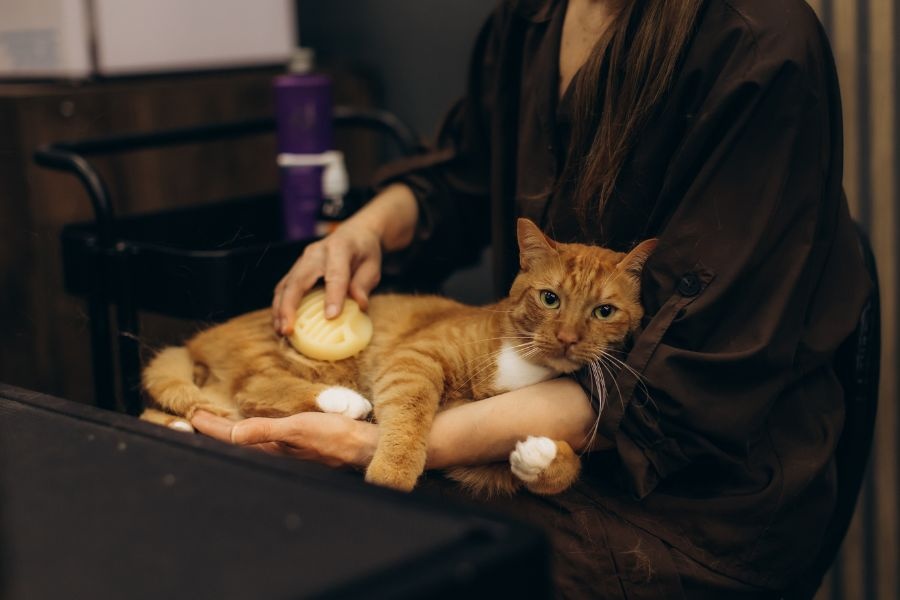
Grooming is often viewed as a way to keep a pet looking clean and tidy, but it offers another important benefit. Regular brushing, bathing, nail care, and coat checks give pet parents opportunities to notice changes in the skin that may otherwise remain hidden. A small bump, irritated patch, unusual odor, or area of hair loss can be an early clue that something needs attention.
For pet owners in Shawnee, combining regular pet grooming with routine veterinary care can support better awareness of your companion’s overall health. Grooming does not replace a veterinary examination, but it can help you become familiar with what your pet’s skin normally looks and feels like.
At Shawnee Animal Hospital, our veterinary team understands that healthy skin is an important part of your pet’s comfort and quality of life. Knowing what to look for during everyday grooming can help you recognize potential pet skin problems before they become more difficult to manage.
Why Regular Grooming Matters for Skin Health
Your pet’s coat can hide changes on the skin. This is especially true for dogs and cats with thick, long, or dense fur. Without regular brushing and hands on checks, irritated areas may not be noticed until your pet begins scratching, licking, or showing another obvious sign of discomfort.
Grooming allows you to look closely at areas that are easy to overlook. As you brush or gently examine your pet, pay attention to the color, texture, moisture, and overall condition of the skin.
You may notice something as simple as a small dry patch. In other cases, grooming may reveal redness, scabs, crusting, swelling, or a change in the coat.
The earlier an unusual change is recognized, the sooner you can discuss it with your veterinarian.
What Healthy Pet Skin Usually Looks Like
Knowing what is normal for your pet makes unusual changes easier to recognize.
Healthy skin can vary depending on the animal, breed, coat type, and pigmentation. In general, the skin should not have persistent redness, open sores, excessive scaling, unusual swelling, or a strong unpleasant odor.
Your pet’s coat should also be appropriate for its normal condition. Sudden thinning, bald patches, excessive shedding, or areas that appear greasy or clumped together may deserve closer attention.
During grooming, gently separate the fur and look at the skin underneath. Do not assume that every small change is a serious problem. Instead, consider whether the finding is new, persistent, spreading, or associated with changes in your pet’s behavior.
Redness and Irritation Can Be Important Clues
Red or inflamed skin is one of the more noticeable changes you may discover during grooming.
A small irritated area can have many possible causes. Environmental factors, allergies, parasites, moisture, grooming products, skin infections, and other conditions can all contribute to irritation.
Look particularly closely at areas where moisture can collect or where your pet frequently licks and scratches.
If your pet repeatedly focuses on one area, take note. Excessive licking or scratching can further irritate the skin and make it harder to determine what caused the original problem.
Hair Loss Is Worth Investigating
Finding a bald spot while brushing your dog or cat can be surprising. Hair loss may occur for several reasons, and the appearance of the skin underneath can provide useful information.
For example, hair loss accompanied by redness, scaling, scabs, or scratching may suggest that the skin is irritated. Hair loss without obvious inflammation can have different causes.
Do not simply cover a bald area or assume the hair will grow back on its own. If the area continues to expand or your pet is uncomfortable, schedule a veterinary examination.
A veterinarian can assess the skin and coat and determine whether additional testing or treatment is appropriate.
Unusual Bumps and Lumps Should Be Noted
Grooming provides an excellent opportunity to notice new bumps.
Run your hands gently over your pet’s body while brushing or petting. Pay attention to anything that feels different from the surrounding tissue.
Not every lump is harmful, but a new growth, swelling, or changing bump should be evaluated by a veterinarian. Try to remember where you found it and whether it changes in size or appearance over time.
Taking a photo can also help you keep track of visible changes between veterinary visits.
Odor Can Tell You Something Has Changed
An unusual skin odor is another clue that should not be ignored.
A pet may naturally have a mild animal scent, but a sudden or persistent strong odor from the skin or coat may indicate an underlying issue. Odor can become particularly noticeable around irritated areas, skin folds, ears, or paws.
Regular grooming can help you recognize when your pet’s normal scent has changed. If bathing only temporarily reduces the odor or the smell returns quickly, talk with your veterinarian rather than repeatedly applying grooming products.
The underlying cause needs to be identified before an appropriate care plan can be developed.
Watch for Excessive Scratching and Licking
Pets naturally scratch and groom themselves from time to time. Frequent or intense scratching, licking, chewing, or rubbing can be a sign that something is bothering the skin.
During grooming, check whether your pet repeatedly returns to the same area. Look for broken hairs, redness, scabs, damp fur, or areas where the coat appears thinner.
Persistent scratching can damage the skin and potentially make an existing problem worse. If your pet seems uncomfortable or cannot stop focusing on a particular area, veterinary guidance is appropriate.
Grooming Can Reveal Changes Between Veterinary Visits
Routine veterinary examinations provide an important assessment of your pet’s health, but you are with your pet every day. That means you may notice changes between appointments.
Regular grooming creates a simple routine for checking the skin and coat. You can become familiar with your pet’s normal appearance and recognize changes more quickly.
This is particularly useful for senior pets, animals with thick coats, and pets that have experienced skin issues in the past.
Keep a simple record of recurring concerns. Note when you first noticed a change, where it appeared, whether your pet was scratching, and whether the area became larger or changed in appearance.
This information can help your veterinarian understand the progression of the concern.
Grooming Habits That Support Skin Awareness
You do not need an elaborate routine to make grooming useful for skin observation.
Brush your pet according to their coat type and needs. During brushing, separate the fur periodically so you can see the skin beneath it.
Check commonly overlooked areas such as the paws, between the toes, around the tail, under the collar, and within skin folds.
Use grooming products appropriate for your pet and avoid applying human skin products unless your veterinarian specifically recommends them. Products that are suitable for people may not be appropriate for dogs or cats.
If your pet becomes uncomfortable during grooming, do not force the process. A calm, gentle approach helps make grooming a positive experience while allowing you to observe your pet more closely.
When a Veterinary Examination Is Recommended
Some skin changes can be monitored briefly, while others should prompt a conversation with your veterinary team.
Schedule an examination if you notice persistent redness, recurring sores, significant hair loss, new or changing lumps, unusual odor, severe itching, frequent licking, bleeding, swelling, or changes that continue to spread.
You should also contact your veterinarian if your pet’s skin concern is accompanied by changes in appetite, energy, sleep, or general behavior.
A veterinary examination can help distinguish between different causes of skin irritation. Depending on what your veterinarian finds, diagnostic testing may be recommended to better understand the condition.
Avoid attempting to diagnose your pet based solely on online images or descriptions. Many skin conditions can look similar but require different approaches.
Grooming and Veterinary Care Work Together
Pet grooming and veterinary care serve different purposes, but they can complement each other. Grooming helps maintain the coat while giving you regular opportunities to observe the skin. Veterinary examinations provide a professional assessment when something appears unusual.
Together, these habits encourage proactive attention to your pet’s health.
For pet parents in Shawnee, making grooming part of a consistent routine can also strengthen your understanding of your companion’s normal appearance and behavior. That familiarity can make subtle changes easier to spot.
Schedule a Pet Health Visit in Shawnee
Have you noticed a new skin change while brushing or grooming your pet? Do not ignore a persistent concern simply because your pet is otherwise acting normally. Contact Shawnee Animal Hospital to discuss your concerns with our veterinary team.
Schedule an online appointment or contact our hospital to arrange a veterinary examination. Early attention to unusual skin changes can help identify potential problems and support your pet’s comfort and well being.
Frequently Asked Questions
Q1. Can regular grooming prevent pet skin problems?
Ans: Grooming can help keep the coat clean and allow you to notice changes sooner, but it cannot prevent every skin condition. Regular veterinary care is also important for maintaining your pet’s overall skin health.
Q2. How often should I check my pet’s skin during grooming?
Ans: A quick skin and coat check can be included whenever you brush or groom your pet. The appropriate grooming frequency depends on your pet’s coat type, breed, lifestyle, and individual needs.
Q3. Should I be concerned if my dog develops a small bald spot?
Ans: A small bald spot can have several possible causes. If it grows, becomes red or irritated, develops scabs, or causes your dog to scratch or lick the area, schedule a veterinary examination.
Q4. Why does my pet have a strong odor even after grooming?
Ans: A persistent or unusual odor may indicate an underlying skin or other health concern. If the smell returns shortly after grooming or occurs with redness, itching, or discharge, contact your veterinarian.
Q5. Can I use human shampoo on my dog or cat?
Ans: Human skin products are not always appropriate for pets because their skin has different needs. Ask your veterinarian about suitable grooming products for your individual pet.
Related Articles
Trusted Pet Care & a Friendly Welcome for Every Pet