Trusted Care Backed by 60+ Years of Experience

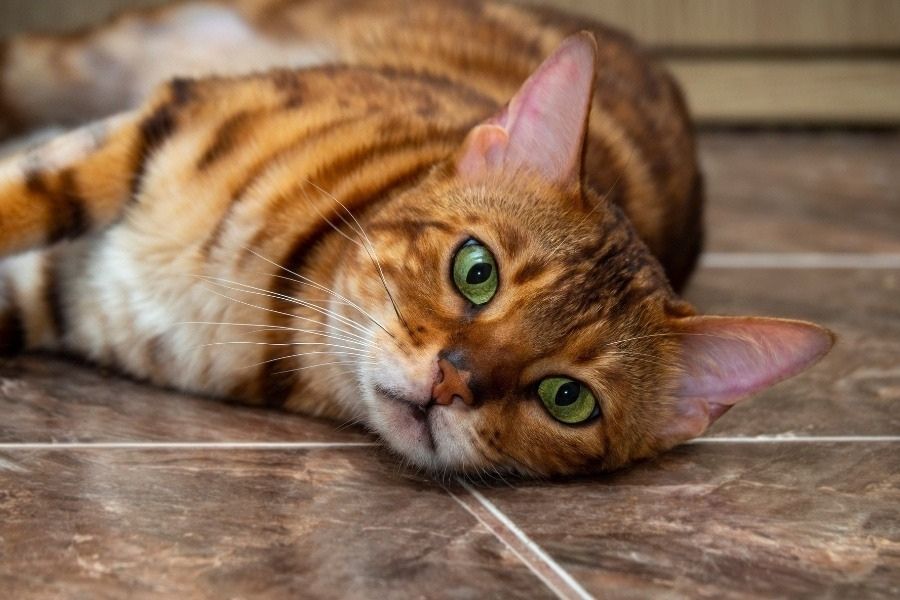
Cats are often good at hiding subtle changes in how they feel. A cat may continue eating, grooming, and resting normally even when small changes are developing. That is why caring for your cat’s health should not depend only on noticing an obvious problem. A consistent routine throughout the year can help you recognize changes early and support your cat’s overall well-being.
A year-round health routine includes more than scheduled veterinary visits. Daily habits involving food, water, activity, grooming, litter box use, weight, and behavior can provide valuable information about your cat’s health. When these observations are combined with regular veterinary examinations, they become an important part of pet preventive care.
For families in Shawnee, Shawnee Animal Hospital can help establish a routine that considers your cat’s age, lifestyle, medical history, and individual needs.
Start With Regular Veterinary Visits
One of the foundations of a cat’s health routine is maintaining regular veterinary visits. Even when your cat appears healthy, routine examinations give your veterinarian an opportunity to assess overall condition and identify subtle changes.
During an examination, your veterinarian may evaluate your cat’s weight, body condition, teeth, skin, coat, eyes, ears, heart, lungs, abdomen, and movement. These observations can help establish a baseline for your cat.
Having a baseline is valuable because your cat’s normal condition can change gradually. A difference that seems minor at home may become more meaningful when compared with previous examination findings.
Regular veterinary visits therefore play an important role in pet wellness care and help keep your cat’s health routine consistent throughout the year.
Keep Track of Your Cat’s Eating Habits
Changes in appetite can sometimes provide an early clue that something has changed. Instead of simply noticing whether your cat eats, pay attention to patterns.
Does your cat finish meals as usual? Has your cat become more selective? Is your cat suddenly asking for food more frequently? Changes in eating behavior may be worth mentioning during a veterinary visit.
The type and amount of food your cat receives should also be appropriate for its age, activity level, body condition, and overall health. Your veterinarian can help you determine whether your cat’s current nutritional routine needs adjustment.
Keeping feeding habits consistent can also make changes easier to recognize.
Make Hydration Part of the Routine
Water intake is another daily detail worth observing. Cats can have individual drinking habits, so becoming familiar with what is normal for your pet can make changes easier to identify.
Pay attention to whether your cat appears to be drinking noticeably more or less than usual. Changes in water consumption can be difficult to quantify at home, but a clear difference from your cat’s normal routine is useful information.
The location and type of water source may also influence drinking habits. Keeping water fresh and making it easily accessible can support good daily habits.
If you notice a persistent change in drinking, discuss it with your veterinarian rather than assuming it is simply a behavioral preference.
Monitor Weight Throughout the Year
Weight can change gradually, making it easy to overlook. Regularly monitoring your cat’s body condition can be an important part of pet preventive care. Both unexplained weight gain and weight loss deserve attention. A change may relate to food intake, activity, age, lifestyle, or an underlying health concern.
Your veterinarian can evaluate your cat’s body condition rather than relying only on a number on the scale. This distinction matters because two cats with the same weight may have different body compositions depending on their size and build.
If your cat’s weight changes, your veterinarian can help determine whether adjustments to food portions, activity, or other aspects of the health routine are appropriate.
Encourage Appropriate Daily Activity
Cats benefit from regular opportunities to move, explore, and engage with their surroundings. Indoor cats in particular may have fewer natural opportunities for physical activity.
Play sessions can encourage movement and mental engagement. Rotating appropriate toys, providing opportunities to climb or explore, and creating safe areas for activity can help keep your cat interested.
The amount of activity your cat needs can vary with age and physical condition. A young cat may naturally be more active than a senior cat, while a cat with mobility concerns may need a different approach.
Changes in activity level are also worth noticing. A cat that suddenly stops playing, avoids jumping, or spends substantially more time resting may need an evaluation.
Pay Attention to Litter Box Habits
Litter box habits can provide useful information about your cat’s daily health. Because cats often use the litter box privately, changes may be easy to miss unless you intentionally pay attention.
Notice changes in frequency, amount, consistency, or behavior around the litter box. A cat that suddenly avoids the box or appears uncomfortable while using it may be showing a change that deserves attention.
Keeping the litter box clean can also make normal patterns easier to observe. If multiple cats share a household, providing appropriate litter box access can help you better understand individual habits.
When something changes, let your veterinarian know what you have observed and when it began.
Maintain a Simple Grooming Routine
Regular grooming provides more than a clean coat. It gives you an opportunity to notice changes in your cat’s skin, fur, nails, and body.
While brushing your cat, look for unusual areas of hair loss, changes in coat texture, skin irritation, or new lumps. You can also observe whether your cat reacts differently when you touch a particular area.
Long-haired cats may require more frequent grooming to prevent tangles and mats. Nail care may also be part of an appropriate routine.
The goal is not to examine your cat constantly. Instead, use normal grooming and handling as opportunities to become familiar with your cat’s usual appearance.
Watch for Behavioral Changes
Behavior can sometimes reveal changes before physical signs become obvious. A normally social cat may begin hiding more often. An active cat may become less interested in play. A relaxed cat may become unusually restless or irritable.
Changes in sleeping patterns, interaction with family members, grooming behavior, or preferred resting locations can all provide useful context.
No single behavior automatically indicates a health concern. However, a persistent change from your cat’s normal personality should be discussed with your veterinarian, particularly if other changes occur at the same time.
Adjust the Routine as Your Cat Ages
A health routine should evolve as your cat moves through different life stages. The needs of a kitten are different from those of an adult or senior cat.
As cats age, changes in weight, mobility, activity, grooming, sleep, and eating habits may become more important to monitor. Your veterinarian can help determine how often your cat should be examined and which areas deserve additional attention.
Rather than following one fixed routine for every cat, consider your pet’s individual circumstances. Age, lifestyle, body condition, previous health history, and household environment can all influence appropriate pet wellness care.
Create a Seasonal Check-In Habit
A simple way to stay consistent is to use each season as a reminder to review your cat’s routine. Consider whether your cat’s appetite, weight, activity, grooming, behavior, and litter box habits have remained consistent.
Seasonal changes in household routines can also affect cats. Travel, changes in temperature, household schedules, moving furniture, or new family members can influence behavior and activity.
A brief check-in every few months can help you recognize gradual changes that might otherwise be forgotten by the next veterinary visit.
Keep a Simple Health Record
You do not need a complicated system to keep useful health information. A basic record can include your cat’s approximate weight, eating habits, notable behavior changes, grooming observations, and questions for your veterinarian.
If your cat has an ongoing health concern, keeping dates and observations can be particularly helpful. Sharing this information during veterinary visits gives your veterinarian a clearer picture of what happens between appointments.
Consistent observation can make pet preventive care more personalized because decisions can be based on your cat’s actual routine rather than assumptions.
Build a Long-Term Routine With Shawnee Animal Hospital
A year-round health routine works best when it becomes part of everyday life. Regular meals, observation, grooming, activity, litter box monitoring, and veterinary visits can all work together to support your cat’s well-being.
For cat owners in Shawnee, Shawnee Animal Hospital can provide guidance as your cat’s needs change over time. Routine veterinary care combined with informed observations at home can help create a practical approach to pet wellness care.
The most important goal is consistency. You know your cat’s normal habits better than anyone, and recognizing meaningful changes can help you know when it is time to contact your veterinarian.
Schedule Your Cat’s Routine Appointment
If your cat is due for a routine examination or you have noticed changes in appetite, weight, activity, grooming, litter box habits, or behavior, consider scheduling an appointment with Shawnee Animal Hospital in Shawnee.
Online appointment booking can make it easier to keep your cat’s health routine organized throughout the year. Bring any notes or observations you have collected so your veterinarian can better understand your cat’s everyday habits.
Frequently Asked Questions
Q1. How often should my cat have a routine veterinary examination?
Ans: The appropriate schedule depends on your cat’s age, health history, lifestyle, and individual needs. Your veterinarian can recommend an examination schedule that fits your cat.
Q2. What daily habits should I monitor as part of pet preventive care?
Ans: Pay attention to appetite, water intake, weight, activity, grooming, litter box habits, sleeping patterns, and behavior. Changes from your cat’s normal routine can be useful to discuss with your veterinarian.
Q3. Why is monitoring my cat’s weight important?
Ans: Gradual weight changes can be difficult to notice. Regular monitoring can help identify differences in body condition and give your veterinarian useful information during routine pet wellness care.
Q4. Can changes in behavior be part of a cat’s health routine?
Ans: Yes. Changes such as increased hiding, reduced play, altered grooming, or unusual irritability can provide useful clues. Persistent changes should be discussed with your veterinarian.
Q5. Should my cat’s health routine change as it gets older?
Ans: Yes. A cat’s nutritional, activity, grooming, and veterinary care needs can change with age. Regular discussions with your veterinarian can help adjust the routine as your cat moves through different life stages.
Trusted Pet Care & a Friendly Welcome for Every Pet