Trusted Care Backed by 60+ Years of Experience

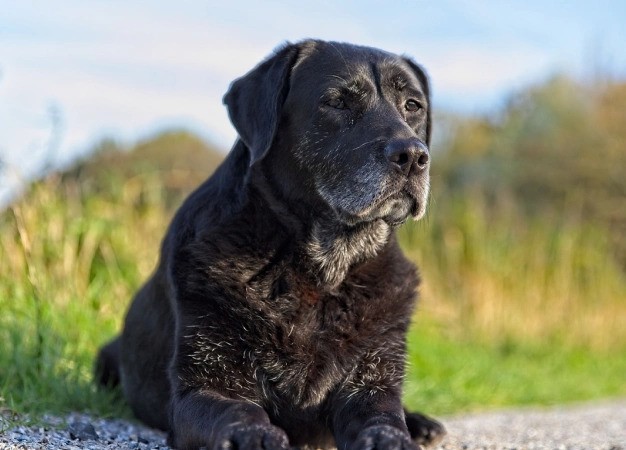
As pets grow older, their needs begin to change. They may slow down, develop age-related health conditions, or require adjustments to their daily routine. While these changes are a natural part of aging, they do not have to diminish your pet’s quality of life. With the right care and attention, senior pets can continue to enjoy many happy, comfortable years by your side.
Providing proper nutrition, regular exercise, routine veterinary visits, and a safe home environment all contribute to healthy aging. Additionally, recognizing the early signs of illness allows pet owners to seek veterinary care before problems become more serious.
This guide shares practical, veterinarian-recommended strategies to help your aging companion stay healthy and comfortable. Whether you have an older dog or cat, these tips can make a meaningful difference. This information is especially helpful for pet owners in Shawnee, OK.
Regular Veterinary Visits Are Essential for Senior Pets
Routine veterinary visits are one of the most important aspects of senior pet care. As pets grow older, they become more susceptible to chronic health conditions such as arthritis, kidney disease, heart disease, diabetes, and dental disease. Because many of these issues develop slowly and may not show obvious symptoms at first, regular wellness exams are essential for detecting problems early.
During a routine checkup, your veterinarian may:
- Perform a comprehensive physical examination
- Monitor your pet’s weight and body condition
- Assess mobility and joint function
- Listen to the heart and lungs
- Examine the eyes, ears, skin, and teeth
- Recommend bloodwork or other diagnostic screenings based on your pet’s age and health
Scheduling wellness visits every six months allows your veterinarian to track changes over time, identify potential concerns early, and recommend timely treatment to help your senior pet stay healthier and more comfortable.
Feed a Diet Designed for Older Pets
Nutrition plays a major role in healthy aging.
As pets become less active, their calorie needs often decrease. At the same time, they still require high-quality protein, essential vitamins, minerals, and healthy fats to maintain muscle mass and support organ function.
Talk with your veterinarian about choosing a diet that supports your pet’s age, breed, activity level, and medical history.
A balanced diet may help:
- Maintain a healthy weight
- Support immune function
- Promote healthy digestion
- Improve skin and coat condition
- Support joint health
Avoid making sudden diet changes without veterinary guidance.
Help Your Pet Maintain a Healthy Weight
Excess body weight places additional stress on aging joints and increases the risk of chronic disease.
Likewise, unexpected weight loss may indicate an underlying medical condition.
Monitor your pet’s body condition regularly and adjust feeding portions as needed. Combining portion control with appropriate physical activity helps maintain a healthy weight throughout the senior years.
Encourage Safe Daily Exercise
Although older pets may not have the same energy they once did, regular exercise remains important.
Daily activity helps:
- Strengthen muscles
- Improve joint flexibility
- Support heart health
- Maintain a healthy weight
- Reduce boredom
Choose activities that match your pet’s abilities.
For dogs:
- Take shorter walks
- Avoid excessive running
- Walk during cooler parts of the day
For cats:
- Encourage gentle play sessions
- Use interactive toys
- Provide easy-to-reach climbing areas
Always watch for signs of fatigue or discomfort and adjust activities accordingly.
Monitor Joint Health and Mobility
Arthritis affects many senior pets and can significantly impact their comfort.
Common signs include:
- Difficulty standing
- Stiffness after resting
- Limping
- Reluctance to climb stairs
- Trouble jumping
Several lifestyle adjustments can improve mobility.
Helpful options include:
- Orthopedic beds
- Non-slip rugs
- Pet ramps
- Raised food and water bowls
Your veterinarian may also recommend medications or supplements to help manage joint discomfort.
Prioritize Dental Care
Oral health is often overlooked, yet it has a significant impact on overall wellness.
Dental disease may lead to:
- Pain
- Bad breath
- Tooth loss
- Difficulty eating
- Bacterial infections affecting other organs
Brush your pet’s teeth regularly using veterinarian-approved products.
Professional dental cleanings also help remove plaque and tartar that cannot be eliminated through home care alone.
Watch for Behavioral Changes
Behavior changes often provide early clues about health problems.
Pay attention if your pet begins:
- Sleeping more than usual
- Becoming less social
- Forgetting familiar routines
- Having accidents indoors
- Vocalizing more frequently
- Showing increased anxiety
These changes may indicate cognitive decline, pain, or other medical concerns.
Prompt veterinary evaluation can help identify the cause and determine appropriate treatment.
Keep Your Home Comfortable
Small adjustments around the home can greatly improve your pet’s quality of life.
Consider:
- Providing soft bedding
- Keeping food and water easily accessible
- Using non-slip flooring
- Improving lighting for pets with vision loss
- Limiting access to steep stairs
Creating a comfortable environment allows aging pets to move around more safely and confidently.
Continue Preventive Healthcare
Preventive care remains essential throughout every stage of life.
Vaccinations, parasite prevention, and wellness screenings help protect older pets from preventable illnesses.
Your veterinarian may recommend:
- Heartworm prevention
- Flea and tick control
- Routine fecal testing
- Blood pressure monitoring
- Annual laboratory testing
These preventive measures support lifelong health and may detect hidden illnesses before symptoms appear.
Provide Mental Enrichment
Mental stimulation supports emotional well-being and cognitive health.
Simple activities include:
- Food puzzles
- Gentle training exercises
- Interactive toys
- Scent games
- Short play sessions
Mental enrichment helps reduce boredom while keeping your pet engaged and active.
Recognize Common Senior Health Conditions
As pets age, they become more susceptible to chronic diseases.
Conditions commonly seen in older pets include:
- Kidney disease
- Heart disease
- Diabetes
- Arthritis
- Cancer
- Thyroid disorders
- Vision loss
- Hearing loss
Routine wellness visits allow veterinarians to monitor these conditions and recommend treatment before they significantly affect quality of life.
Build a Personalized Wellness Plan
Every pet ages differently.
Breed, genetics, lifestyle, and previous medical history all influence aging.
Working closely with your veterinarian allows you to develop an individualized wellness plan that includes:
- Nutrition recommendations
- Weight management
- Exercise guidance
- Diagnostic screening
- Pain management
- Dental care
- Preventive medicine
This personalized approach supports healthier aging and greater comfort.
Why Professional Veterinary Care Matters
Although home care is important, regular veterinary oversight provides an additional level of protection.
Routine examinations help detect subtle changes that owners may not notice at home.
At Shawnee Animal Hospital, our veterinary team is committed to helping aging pets enjoy healthy, comfortable lives through compassionate care, advanced diagnostics, and personalized treatment plans.
With consistent monitoring and thoughtful lifestyle adjustments, senior pet care helps improve both longevity and quality of life.
Additionally, investing in senior pet care today may help reduce the impact of age-related health conditions in the future.
Growing older is a natural part of life, but your pet can continue to enjoy many wonderful years with the right support. Regular wellness exams, balanced nutrition, appropriate exercise, dental care, preventive medicine, and a comfortable home environment all contribute to healthy aging. By recognizing changes early and partnering with your veterinarian, you can help your loyal companion stay active, comfortable, and happy throughout their senior years.
If you’re in Shawnee, OK, and looking for trusted care for your aging companion, schedule an appointment with Shawnee Animal Hospital. Our experienced veterinary team is dedicated to helping senior pets receive the personalized care they deserve.
Frequently Asked Questions
- At what age is a pet considered a senior?
Most cats are considered seniors around 10 years of age, while dogs generally become seniors between 7 and 10 years, depending on their breed and size.
- How often should senior pets visit the veterinarian?
Senior pets should typically have wellness examinations every six months to monitor their health and detect age-related conditions early.
- What are the most common health problems in senior pets?
Common conditions include arthritis, kidney disease, heart disease, diabetes, dental disease, cancer, and cognitive decline.
- Does my senior pet still need vaccinations and parasite prevention?
Yes. Preventive healthcare remains important throughout your pet’s life and helps protect against infectious diseases and parasites.
- How can I make my home more comfortable for an older pet?
Provide orthopedic bedding, use non-slip rugs, install ramps if needed, keep food and water easily accessible, and minimize obstacles around the home.
- Why should I choose Shawnee Animal Hospital for my senior pet?
Shawnee Animal Hospital offers comprehensive wellness care, advanced diagnostics, personalized treatment plans, and compassionate support to help senior pets enjoy healthier, happier lives.
Related Articles
Trusted Pet Care & a Friendly Welcome for Every Pet