Trusted Care Backed by 60+ Years of Experience

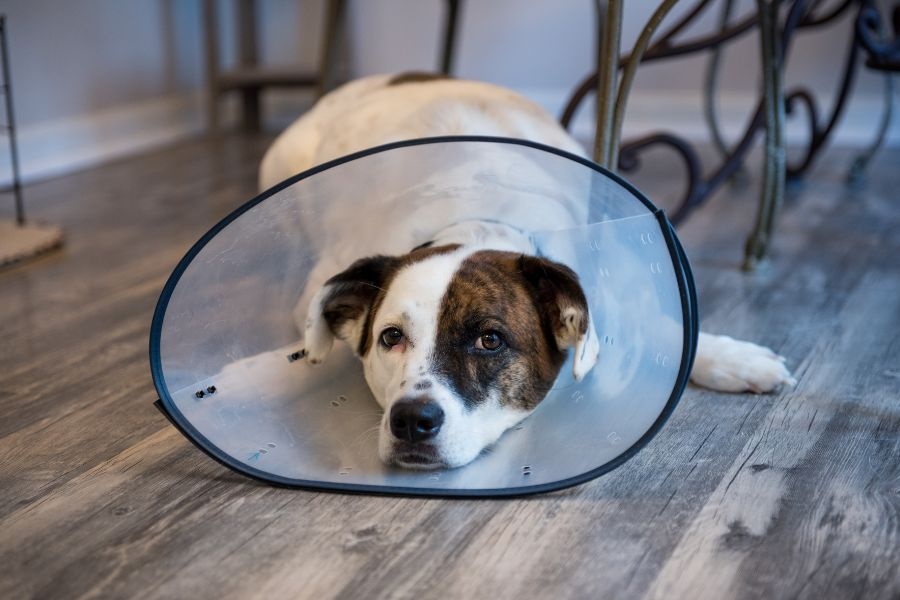
Modern veterinary medicine has transformed the way surgical procedures are performed for pets. Today’s advancements in technology, patient monitoring, and surgical techniques have significantly improved comfort, precision, and recovery outcomes. Whether a pet requires a routine procedure or a more complex operation, modern veterinary surgery focuses on patient safety at every stage of care.
For many pet owners, hearing the word surgery can feel overwhelming. Understanding the safeguards involved in contemporary veterinary medicine can provide reassurance and help owners feel more confident when discussing treatment options with their veterinarian.
How Veterinary Surgery Has Evolved
Years ago, veterinary surgical procedures had fewer diagnostic and monitoring tools available. Today, veterinarians have access to advanced equipment that allows them to carefully evaluate and monitor patients before, during, and after surgery.
Modern surgical care may include:
- Comprehensive physical examinations
- Diagnostic testing before procedures
- Advanced patient monitoring equipment
- Specialized surgical instruments
- Personalized pain management plans
- Careful post surgical recovery protocols
These advancements help veterinary teams provide individualized care based on each pet’s age, health status, and medical needs.
Thorough Pre Surgical Evaluations Improve Safety
Before recommending pet surgery, veterinarians perform comprehensive evaluations to better understand a patient’s overall health.
Pre surgical assessments may include:
- Physical examinations
- Bloodwork
- Diagnostic imaging when appropriate
- Review of medical history
- Discussion of current medications
These evaluations allow veterinarians to identify important factors that may influence surgical planning and recovery recommendations.
Every pet is unique, and personalized planning helps improve both safety and comfort throughout the surgical process.
Advanced Monitoring Makes a Difference
Modern monitoring technology has greatly improved surgical safety for veterinary patients.
During surgery, veterinary teams may continuously monitor:
- Heart rate
- Respiratory rate
- Oxygen levels
- Blood pressure
- Body temperature
Monitoring allows veterinarians to carefully observe how pets respond throughout their procedures and make adjustments whenever necessary.
Continuous observation remains one of the most important aspects of modern veterinary surgery.
Surgical Techniques Continue to Improve
Veterinary medicine continues to benefit from advances in surgical equipment and techniques.
Modern surgical approaches often emphasize:
- Precision
- Patient comfort
- Careful tissue handling
- Efficient recovery planning
- Comprehensive post operative monitoring
These improvements contribute to better patient experiences while supporting healthy healing following surgery.
Recovery Begins Before Surgery Ends
Successful surgery extends beyond the procedure itself.
Recovery planning begins long before pets return home. Veterinary teams provide individualized recommendations designed to support healing while helping owners understand what to expect during recovery.
Post surgical care may include:
- Activity recommendations
- Nutritional guidance
- Follow up evaluations
- Home monitoring instructions
- Recovery timelines based on individual needs
Providing clear instructions helps owners confidently support their pets throughout the healing process.
Communication Helps Reduce Anxiety
Many pet owners have questions when surgery is recommended.
Veterinarians understand these concerns and encourage open communication before procedures are scheduled. Discussing expectations, recovery plans, and surgical recommendations helps families feel informed throughout the process.
Asking questions about surgical services allows owners to become active participants in their pet’s healthcare journey.
Modern Veterinary Surgery Supports Lifelong Wellness
Advancements in veterinary medicine continue to improve surgical safety for pets of all ages. Comprehensive evaluations, modern monitoring equipment, and personalized recovery plans all contribute to providing thoughtful and compassionate care.
For families in Shawnee, routine veterinary care and timely surgical evaluations help support healthier outcomes when surgical treatment becomes necessary.
At Shawnee Animal Hospital, our experienced veterinary team is committed to providing compassionate Veterinary Surgery, Pet Surgery, and comprehensive Surgical Services tailored to your pet’s individual needs. If your pet has been recommended for a surgical consultation, we invite you to schedule an online appointment with our caring team today.
Frequently Asked Questions
Q1. Is modern veterinary surgery safer than it was in the past?
Ans: Yes. Advances in diagnostic testing, patient monitoring technology, surgical techniques, and recovery planning have significantly improved the overall safety of veterinary surgical procedures in modern veterinary medicine.
Q2. Why is bloodwork recommended before surgery?
Ans: Pre surgical bloodwork provides valuable information about your pet’s overall health and helps veterinarians develop individualized surgical and recovery plans based on their medical needs.
Q3. How are pets monitored during surgery?
Ans: Veterinary teams carefully monitor important indicators such as heart rate, respiratory rate, oxygen levels, blood pressure, and body temperature throughout surgical procedures to help support patient safety.
Q4. What should I expect after my pet returns home following surgery?
Ans: Your veterinarian will provide detailed recovery instructions that may include activity restrictions, feeding recommendations, medication guidance, and follow up care tailored to your pet’s procedure and health status.
Q5. Does every pet receive the same surgical care plan?
Ans: No. Veterinary surgical plans are individualized based on factors such as age, breed, medical history, overall health, and the specific procedure being performed to help provide appropriate care for every patient.
Related Articles
Trusted Pet Care & a Friendly Welcome for Every Pet