Trusted Care Backed by 60+ Years of Experience

Advances in veterinary medicine have introduced surgical approaches that can help some cats undergo procedures with smaller incisions and less disruption to surrounding tissues. Minimally invasive techniques use specialized instruments and, in some cases, a small camera to allow veterinarians to examine or treat specific conditions without making a large traditional incision.
For eligible patients, these approaches may offer benefits such as reduced tissue trauma, less postoperative discomfort, and a smoother recovery. However, minimally invasive cat surgery is not suitable for every condition. The right approach depends on the procedure required, the cat’s health, and the equipment and expertise available. At Shawnee Animal Hospital in Shawnee, discussing the available options with a veterinarian can help cat owners understand which surgical approach may be appropriate for their pet.
What Is Minimally Invasive Veterinary Surgery?
Minimally invasive surgery involves using specialized instruments and smaller access points instead of the larger incision often required for traditional open surgery. Depending on the procedure, a veterinarian may use a small camera, narrow instruments, or an endoscope to view internal structures and perform specific tasks.
Two common approaches are laparoscopy and endoscopy. Laparoscopy allows a veterinarian to access certain areas of the abdomen through small incisions. Endoscopy uses a flexible or rigid instrument with a camera to examine internal passages, such as the digestive tract, and may allow certain objects or abnormal tissues to be treated or removed.
These techniques are different from traditional open surgery, which provides direct access through a larger incision. Neither approach is automatically appropriate for every patient. The goal is to select a method that addresses the medical problem effectively while considering safety, comfort, and recovery.
Potential Benefits for Eligible Cats
When a minimally invasive procedure is suitable, it may provide several advantages. The extent of these benefits depends on the operation, the cat’s condition, and the veterinarian’s experience with the technique.
Smaller Incisions
Many minimally invasive procedures require only small openings for specialized instruments. Smaller incisions may reduce disruption to the surrounding tissues compared with certain open procedures.
Incision size alone does not determine how quickly a cat heals, but it can be one factor in the overall recovery experience. Owners should still follow all postoperative instructions, even when the external wounds appear small.
Potentially Less Postoperative Discomfort
Surgical discomfort can be influenced by the amount of tissue handling, the location of the procedure, and the extent of the operation. Some minimally invasive approaches may reduce tissue trauma and postoperative pain compared with traditional surgery for the same condition.
Cats still need appropriate anesthesia and pain management. A smaller incision does not mean that a procedure is painless or that medication will not be necessary.
Recovery and Activity
Some cats may return to comfortable movement sooner after selected minimally invasive procedures. Smaller access points can make certain aspects of wound care easier, although internal healing still takes time.
The veterinarian will explain how long activity should be restricted and when normal play, climbing, and jumping may resume. Cats should not be allowed to decide their own recovery schedule simply because they seem energetic after surgery.
Useful Diagnostic Visualization
A camera-assisted technique can provide a magnified view of particular internal structures. This may help the veterinarian examine an area directly, collect samples, or perform a specific treatment.
However, the visibility and reach of the equipment depend on the location of the problem. Some conditions require direct access, wider exploration, or procedures that minimally invasive instruments cannot safely accomplish.
Which Procedures May Use Minimally Invasive Techniques?
Minimally invasive methods are used for selected procedures rather than as a universal replacement for conventional surgery. Availability also varies between veterinary hospitals and may require referral to a facility with specialized equipment and training.
Laparoscopic Procedures
Laparoscopy may be used for certain abdominal procedures, including selected reproductive surgeries, abdominal examinations, and tissue sampling. The veterinarian inserts a camera and instruments through small incisions to work within the abdominal cavity.
Whether a cat is a suitable candidate depends on the procedure, body size, anatomy, medical history, and any complicating conditions. A traditional approach may be safer or more practical in some situations.
Endoscopic Evaluation and Treatment
Endoscopy can help veterinarians examine parts of the digestive or respiratory tract. In appropriate cases, an endoscope may be used to retrieve a swallowed object from an accessible location, collect tissue samples, or investigate persistent gastrointestinal symptoms.
Not every foreign object can be retrieved endoscopically. An object that is too large, sharp, deeply lodged, or positioned beyond the instrument’s reach may require conventional surgery or another treatment approach.
Thoracoscopic Procedures
Thoracoscopy involves using a camera and specialized instruments to access certain areas of the chest. It may be appropriate for selected diagnostic or surgical procedures involving structures within the chest cavity.
Because chest procedures require specialized planning and monitoring, the veterinarian may recommend referral to a veterinary surgeon with the necessary equipment and experience.
How Veterinarians Decide Whether a Cat Is Eligible
A minimally invasive procedure begins with an assessment of the individual cat rather than an assumption that smaller incisions are always preferable. The veterinarian reviews the cat’s symptoms, medical history, age, current medications, and any existing health concerns.
Diagnostic testing may include bloodwork, X-rays, ultrasound, or other imaging depending on the condition. These results help the veterinary team understand the location and extent of the problem and determine whether a minimally invasive approach can address it effectively.
The veterinarian also considers anesthesia risk, the complexity of the procedure, and the possibility that a different approach may be needed during treatment. In some cases, a minimally invasive operation may need to be converted to open surgery if unexpected findings arise or safe access is not possible.
Owners should ask about the expected benefits, potential complications, available alternatives, and the team’s experience with the recommended procedure. These conversations help establish realistic expectations and support informed decisions about veterinary surgery.
Minimally Invasive Surgery Compared With Traditional Surgery
The main difference between these approaches is how the veterinarian accesses the affected area. Traditional open surgery generally uses a larger incision to provide direct access and visibility. Minimally invasive surgery uses smaller access points and specialized instruments to perform selected tasks.
Neither approach is always superior. Open surgery may be necessary when a large area needs to be examined, substantial tissue must be removed, or complications require direct access. It can also be the more appropriate option when a minimally invasive procedure would not provide sufficient visibility or control.
Minimally invasive procedures may involve specialized equipment, additional technical requirements, and different costs. Availability may be limited, and referral to another facility may be recommended. The most appropriate choice is the procedure that can address the condition safely and effectively, not simply the one with the smallest incision.
Preparing Your Cat for a Minimally Invasive Procedure
Preparation is important regardless of the surgical method. The veterinarian may recommend a physical examination, blood tests, imaging, and an anesthesia assessment before scheduling the procedure.
Follow the clinic’s instructions regarding food, water, and medication. Do not change prescribed medications or fasting arrangements without veterinary guidance. Tell the veterinary team about previous anesthesia reactions, ongoing illnesses, and any unusual symptoms your cat has experienced.
Ask what the procedure involves, whether your cat will need to stay at the hospital, and what care will be required at home. Understanding these details helps you prepare a quiet recovery space and plan for transportation and follow-up visits.
Comprehensive pet surgical services include preparation, anesthesia monitoring, pain control, and recovery guidance. These elements remain essential even when a procedure uses small incisions.
Recovery After Minimally Invasive Cat Surgery
Recovery depends on the procedure performed and the cat’s individual health. Your veterinarian will provide instructions for monitoring the incision sites, giving medication, feeding your cat, and limiting activity.
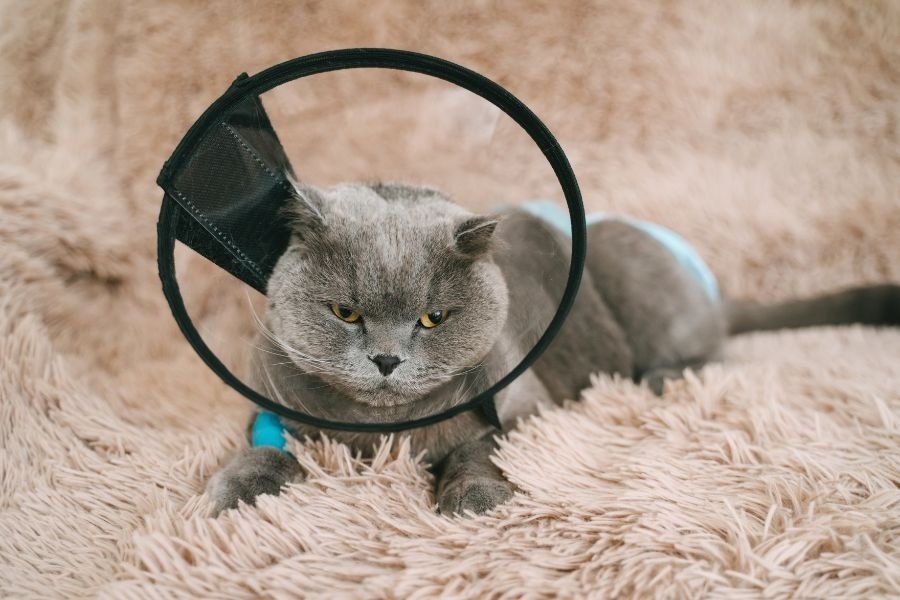
Keep your cat indoors and prevent vigorous play, jumping, or climbing until the veterinary team approves a return to normal activity. Check incision sites as directed for redness, swelling, discharge, bleeding, or separation. Prevent licking or chewing at the wounds, using a protective collar if recommended.
Contact the veterinarian if your cat develops repeated vomiting, unusual weakness, reduced appetite that persists, worsening discomfort, or other unexpected changes. Attend follow-up appointments even if the incision appears to be healing well. Small external wounds do not necessarily mean that internal tissues have fully recovered.
Discuss Surgical Options at Shawnee Animal Hospital
Minimally invasive techniques may benefit selected cats, but the safest option depends on the medical condition and the needs of the individual patient. A veterinary consultation can help determine which methods are suitable and whether specialized surgical care or referral should be considered.
Contact Shawnee Animal Hospital in Shawnee to arrange an appointment if your cat needs a procedure or has a condition that may require surgical treatment. Discuss your cat’s symptoms, medical history, and any concerns you have about anesthesia or recovery.
The veterinary team can explain the recommended treatment plan, discuss available options, and help you understand what to expect before and after surgery.
Frequently Asked Questions
Q1. Is minimally invasive surgery safer for every cat?
Ans: No. Although some procedures may involve less tissue disruption, safety depends on the cat’s health, the condition being treated, and the procedure itself. Traditional open surgery may be more appropriate for certain cases.
Q2. Does minimally invasive cat surgery always mean less pain?
Ans: Some minimally invasive techniques may reduce postoperative discomfort, but pain levels vary by procedure and patient. Cats still require appropriate pain management and monitoring after surgery.
Q3. Can all cat surgeries be performed using minimally invasive techniques?
Ans: No. These techniques are suitable for selected procedures. The location and severity of the condition, the equipment available, and the veterinarian’s training all influence whether this approach is appropriate.
Q4. Will my cat recover faster after minimally invasive surgery?
Ans: Some cats may resume comfortable movement sooner after certain minimally invasive procedures. However, recovery depends on internal healing, the complexity of the operation, and the cat’s overall health. Follow the prescribed activity restrictions.
Q5. What should I ask my veterinarian before choosing a surgical approach?
Ans: Ask why the procedure is recommended, whether minimally invasive and traditional options are available, what risks and benefits each offers, and whether referral is necessary. Also discuss anesthesia, pain management, expected recovery, and follow-up care.
Trusted Pet Care & a Friendly Welcome for Every Pet